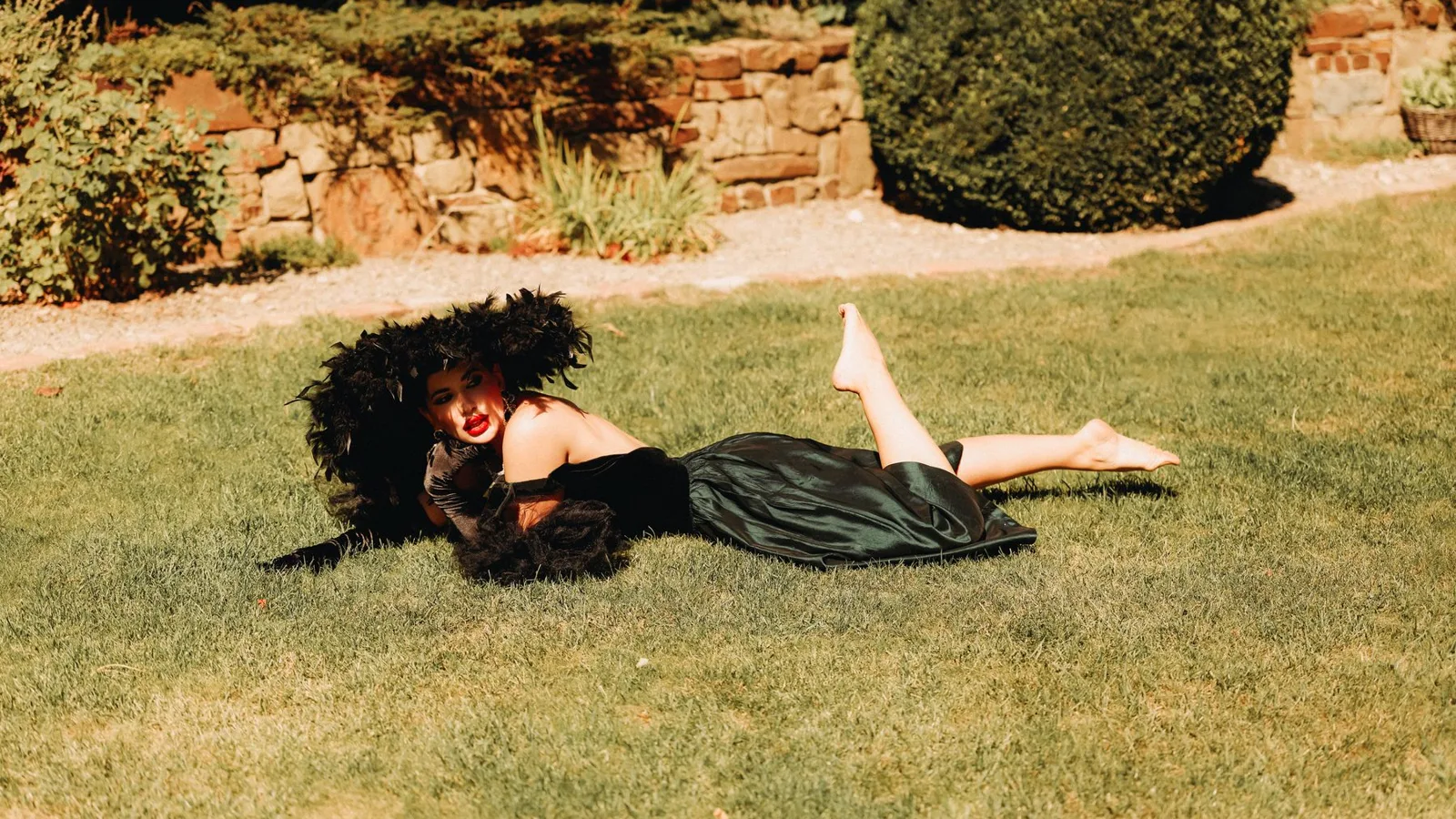
A garden party sounds easy and then the invitation arrives with a dress code of “garden attire” or no guidance at all, and the real questions begin. Will the ground be grass or gravel? Is it sun all afternoon or shade and a breeze? Is it a birthday, a bridal shower, a charity lunch, or the lawn reception of a wedding? The guests who look right are not the most dressed up. They are the ones who dressed for the ground and the weather first and then added polish.
This guide works through that in order: the three things a garden changes, the shoes and fabrics that solve them, how to pick color for natural light, and three outfit formulas by formality. It is written to work in any season, because garden parties happen in September sun, spring drizzle, and winter cold alike. If the party is a garden wedding, pair this with the three wedding guest dress codes, which covers the dress code half of the question.
The three things a garden changes
Indoor party advice assumes a floor. A garden replaces it with three variables.
Ground. Lawn is soft and uneven, gravel paths are loose, and the tent floor at the edge may be a different surface again. Anything with a thin heel or a long, trailing hem is a liability for the whole afternoon.
Weather. You are outdoors, so wind, sun, and a sudden shower are all in play. An outfit that only works in perfect conditions is not a garden party outfit.
Light. Daylight is unforgiving and honest. It shows sheer fabrics, wrinkles, and clashing colors more plainly than a dim restaurant does, and every photograph at the party will be taken in it.
Everything below answers one of those three.
Shoes first, because they decide the day
If you choose one thing in advance, choose the shoes. A garden party can involve forty minutes of standing on grass, and the wrong pair turns a good outfit into a tiring one.
- Lawn or gravel: block heels, wedges, espadrilles, or a flat in leather or suede. A wide, solid base spreads your weight and does not sink.
- Terrace, patio, or paved paths: a slim heel is fine here, but if you cannot confirm the surface, treat the party as lawn.
- Wet or cold days: a leather ankle boot with a low block heel, or a polished loafer, keeps your feet dry and looks deliberate rather than defensive.
For men, the same logic gives loafers, suede derbies, or clean leather sneakers only if the invitation is clearly casual. Highly polished leather lace-ups tend to look stiff on a lawn.
Fabrics that handle air, sun, and a surprise shower
Choose fabrics with some weight and a matte finish. Cotton, cotton poplin, crepe, linen blends, and viscose crepe all drape well, move without clinging, and hide the small damp marks that outdoor events produce. A midi hem is the most forgiving length, since it clears the ground without needing to be held up in the grass.
Two quick tests before you commit. Hold the fabric up to a window: if you can clearly see your hand through a single layer, it will need a slip in strong daylight. Then check how it creases: pure linen softens into creases by the second hour, which is part of its charm in summer, but a linen blend keeps its shape better if you want to look pressed. Pale silk satin is the one to be wary of in any weather, as it shows water spots and every brush of the grass.
Color: dress for natural light
A garden is already full of green, so the most flattering guest colors either sit softly inside that scene or contrast it on purpose. Soft sage, dusty blue, butter yellow, warm peach, lilac, and terracotta all look beautiful against foliage. Deep navy, burgundy, and forest green work well for cooler, overcast, or autumn gatherings. If you are building a color around a piece you already own, what goes with navy is a good starting point for pairing it with softer garden tones.
What to think twice about: head-to-toe white or cream, which is best left to a bride if there is one; very pale pastels in a sheer fabric, which can disappear in bright light; and a green that exactly matches the hedges behind you. Florals are the natural garden choice, but check that the print’s background is not so close to your skin or the surroundings that the outfit loses definition in photographs.
Three outfit formulas by formality
The same logic, a weighted fabric, a lawn-friendly shoe, and a color suited to daylight, works at every level of dressiness. Only the polish changes.
A cotton or linen-blend midi dress in sage, lilac, or soft yellow, with leather flat sandals or espadrilles and a small crossbody bag. For men: a pale cotton shirt, stone chinos, and loafers. Keep jewelry small, since fine chains catch in wind and hats.
A crepe midi dress or a printed wrap dress in dusty blue or terracotta, with block-heeled sandals and a light cardigan or wrap for shade. For men: an unlined blazer in navy or soft green over an open-collar shirt, tailored trousers, and suede loafers.
A lined, weighted dress or a tailored jumpsuit in a deep jewel tone or a clear mid-tone, with a hem that clears the ground by an inch, a wedge or block heel, and a structured clutch. A hat or fascinator suits the setting if the invitation hints at tradition. For men: a lightweight suit in navy or mid-grey, a crisp shirt, and polished loafers or suede derbies.
When the weather changes the plan
One of the odd strengths of the garden party is that it happens in every season, and the outfit logic shifts with the month rather than the occasion.
Warm and sunny. Go lightest on fabric and heaviest on sun sense: a hat or sunglasses, sleeves or a shawl for the hours when the sun is overhead, and shoes with straps so they stay on in the grass.
Cold or damp. Choose a wool-blend or crepe dress with opaque tights, an ankle boot, and a tailored coat in camel, navy, or charcoal that you do not mind keeping on. A winter garden party is a coat-and-scarf event, so choose the coat as carefully as the dress, because it will be in most of the photographs.
Possible rain. Plan the layers rather than the umbrella: a trench or a longline blazer over the outfit, shoes that tolerate damp, and a compact umbrella in a neutral color. Avoid anything that goes see-through, clings, or marks when wet.
Cool shade, warm sun. Bring a layer in a neutral that works with the whole outfit, such as a fine knit, a linen blazer, or a light wrap, so you can add or remove it without breaking the look.
The packing list in one view
- One outfit built from a weighted, matte fabric in a color that suits natural light
- Block-heeled or flat shoes for grass, plus an optional dressier pair if the ground is paved
- A light layer in a neutral for wind, shade, or a cooler evening
- A small bag with a secure closure
- Sunglasses or a hat for the sun, and a compact umbrella if there is any chance of rain
A last check before you leave
Garden light is honest. Take a photo of the finished outfit outdoors, in daylight, before you leave, and look at it as a stranger would: is the hem clear of the ground, does the color hold up against green, does the fabric hold its shape? Aurea runs that check, scoring color harmony, fit, and occasion match in about thirty seconds, and flags the one change worth making before you reach the gate.
Questions, answered
Can I wear heels to a garden party?
Stiletto heels sink into lawn and are the most common garden party regret. Block heels, wedges, or a flat in a dressy material are far safer, and if the party is on a terrace or paved path you can carry a dressier pair and change on arrival.
Is a garden party dress code the same as a wedding dress code?
Not quite. A garden party is usually daytime and a notch more relaxed than a formal wedding, so a polished midi dress or tailored separates is enough. If it is a garden party wedding, follow the wedding's dress code on the invitation and add the lawn-friendly shoe and fabric choices below.
What do I wear to a garden party if it might rain?
Choose a fabric that does not show water marks or cling, such as crepe, cotton, or a wool blend, and carry a compact umbrella or a trench in a neutral color. Skip pale silk satin and very light linen, which spot and crease badly when damp.
What should a man wear to a garden party?
An unstructured blazer in stone, navy, or soft green over an open-collar or crisp shirt, with tailored trousers and loafers or clean suede shoes. In summer, linen or cotton keeps it cool; in cooler months, a wool or tweed jacket and a fine knit underneath work well.