British race days are one of the few dress-up occasions where the weather writes half the brief. Cheltenham in November is cold, often damp, and the walk between the stands, the bar, and the parade ring is across grass. The fashion is real, but it is built on a good coat and good boots.
This guide covers what the dress code actually is today, three outfit formulas for the colder race days, and the mistakes that make a long afternoon outdoors miserable. If you are comparing it with the southern hemisphere’s big race week, our Melbourne Cup guide covers a very different, enclosure-by-enclosure set of rules.
What the dress code actually is
Here is the reassuring part. In February 2023 The Jockey Club announced it was ending formal dress codes at its racecourses, Cheltenham among them (a few exceptions remain, such as Epsom’s Queen Elizabeth II Stand on Derby Day), with its chief executive saying the sport wanted people to feel relaxed and that comfortable clothing mattered. Cheltenham’s page for Ladies Day, which is Day 2 of the March Festival, says much the same: there is no official dress code, although smart is preferable and often adopted.
So the honest answer to “what do I have to wear” is nothing in particular. The honest answer to “what will I see” is a crowd that dresses up in a practical, countryside way: tailoring, wool, tweed, leather boots, and a hat. Aim for that, and you will fit in at the November meeting, the opening Showcase fixture in October, or the March Festival. Other British courses will each have their own enclosure notes, so check the racecourse’s own page for the day you are attending.
The principle: tailoring plus insulation
Race day outfits go wrong in two directions. Some people dress for a summer wedding and freeze. Others dress for a hike and look underdressed beside the tailoring around them. The reliable middle is one smart outer layer, one warm middle layer, and a polished base.
Three facts shape everything:
You are outdoors for hours. Even the covered stands are open to the wind. Wear thermal layers that do not show.
The ground is soft. Grass, gravel paths, and mud rule out stilettos and thin soles.
You will be moving. Between races, bars, queues, and the parade ring, expect to walk a lot, and expect to carry a coat in the warm bar.
Fabrics and colors that suit the season
Wool, tweed, cashmere, heavy crepe, corduroy, suede, and leather all look right in cold grandstands. Avoid thin satin, bare-leg looks, and anything that marks easily in the rain.
For color, the countryside palette is the safest: camel, chocolate, forest green, burgundy, navy, charcoal, and cream. A single bold color works well as a coat, scarf, or hat. Navy is a handy base, and what goes with navy shows how camel, burgundy, and cream each change its mood.
Three race day formulas
A belted camel or burgundy wool coat over a knit midi dress in a deep neutral, opaque tights, and leather knee boots with a block heel. Finish with a wool beret or a brimmed felt hat and leather gloves. The coat does the dressing up, so the rest can stay quiet. For men: a navy overcoat over a charcoal suit or a tweed jacket with wool trousers, a knit under the jacket, and leather boots.
A tweed blazer or a checked wool jacket, a silk-feel blouse or fine roll neck, tailored wool trousers or a pleated midi skirt, and brogue boots. Add a printed scarf and a flat cap or felt hat. For men: a tweed jacket in brown or green, a collared shirt, a knit vest, wool trousers in a darker tone, and brogues with a rubber sole. This is the most traditional look and suits any country meeting.
A tailored dress or a skirt suit in a rich color such as emerald, plum, or deep red, with a longline coat in a contrasting neutral. Add a structured hat or a hair piece, a small bag worn across the body, and block-heeled boots. For men: a three-piece suit in navy or grey, a tie or cravat in a seasonal color, and polished leather shoes with a good sole. Use this when you want to take the style side of the day seriously.
Hats, hair, and what to do about wind
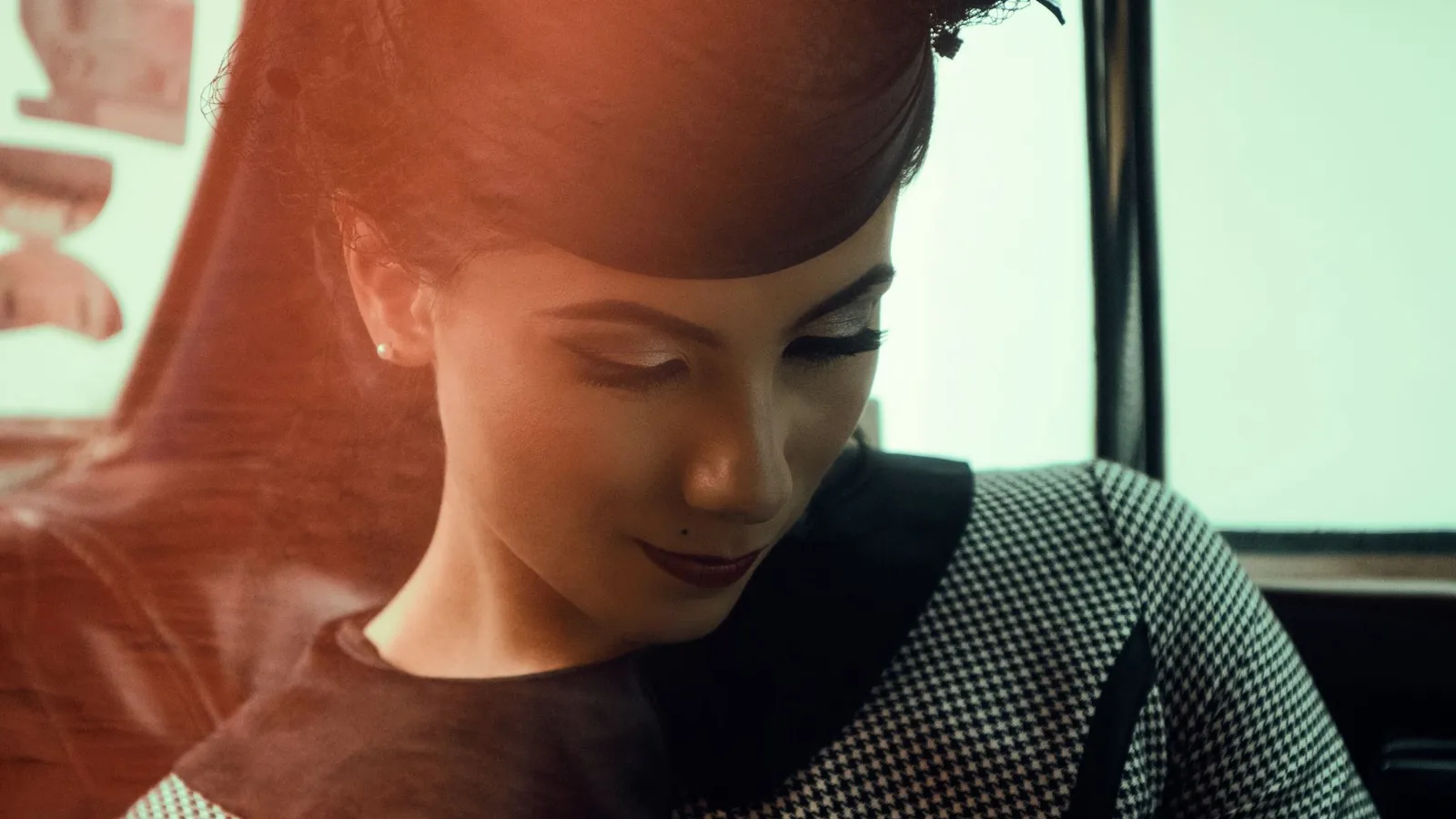
A hat is a custom, not a requirement. In the colder months a wool or felt option does more for you than a fascinator, which offers no warmth and tends to tilt in the wind. Beret, brimmed felt, and cloche shapes all stay put. If you do wear a fascinator, add a headband version rather than a clip, and keep a small hat pin in your bag.
Bring hair ties and a scarf. Long hair in a gusty grandstand is easier in a low bun or a side plait.
Worked example: six pieces, three race days
Say you own a camel wool coat, a burgundy knit dress, a navy tailored blazer, cream wool trousers, a pair of black leather knee boots, and a brown felt hat. That is six pieces.
- Outing 1, the Showcase in October: burgundy knit dress, black boots, felt hat, with the blazer over the top if it is mild.
- Outing 2, the November meeting: the same dress under the camel coat, with fleece-lined tights and the hat pulled low.
- Outing 3, a dressier day: cream trousers, the blazer, a silk blouse borrowed from your wardrobe, and the camel coat.
Camel, burgundy, cream, and navy all share warm undertones, so nothing needs matching to anything else. The three-core-colors capsule shows how far a short palette can stretch.
What to avoid at the races
- Stiletto heels. Grass swallows them and your calves will pay.
- Thin tights and a short hem in November. Wear opaque or fleece-lined tights, or a longer length.
- A statement coat with no warm layer under it. The coat looks great and you will still be cold.
- A large bag. Racecourses have queues and crowded bars. Keep to a cross-body.
- New boots. Wear them in beforehand. A race day involves several miles of walking.
- White or pale suede. Mud and splashes are certain.
What men should wear, in short
Wool, tweed, and leather. A jacket with some structure, a collared shirt, a knit layer underneath for warmth, and boots or brogues with a decent sole. A scarf, a flat cap, and gloves are the three small things that look right and keep you warm. The smart casual dinner guide lays out the same polished-plus-relaxed balance if you want to dial the formality up or down.
The last-minute checklist
- Check the weather forecast the evening before, then add one layer
- Wear in your boots, and test the walk to the bus stop or car park
- Pack a compact umbrella and a spare pair of socks or tights
- Put the thermal layer on before the dress
- Choose a bag that closes and goes across the body
- Take a photo of the full outfit in daylight
One last check before you leave
The easiest way to catch a clash is a mirror photo. Stand in good light with the coat on, take a full-length picture, and ask whether it reads as one idea or two outfits arguing. Aurea runs that check in about thirty seconds: color harmony, fit, and occasion match, with one specific suggestion if the hat or the coat is fighting the rest. It is a useful way to decide between two finalists the night before, rather than at the station.
Questions, answered
Is there a dress code at Cheltenham Racecourse?
No. The Jockey Club dropped formal dress codes at its racecourses in February 2023 (with a few exceptions, such as the Queen Elizabeth II Stand at Epsom on Derby Day), and Cheltenham's own Ladies Day page says smart is preferable and often adopted. Treat smart as the custom, not a rule.
What do women wear to Cheltenham in November?
A structured coat is the centerpiece, worn over a knit dress or a skirt and knit with warm tights. Add flat or block-heeled boots that can cope with wet grass, and a hat that doubles as warmth.
Do I need a hat or fascinator at the British races?
Not at Cheltenham, where no headwear is required. In cold months a wool hat, beret, or brimmed felt hat does the job better than a fascinator, and it keeps you warm.
What should men wear to Cheltenham?
A tweed or wool jacket, a collared shirt, a knit or waistcoat for warmth, wool trousers, and leather boots or brogues with a sturdy sole. A tie or scarf is optional and mostly a matter of how smart you want to look.
What shoes work best on race day?
Leather ankle or knee boots with a block heel or flat sole. Stilettos sink into turf and thin soles let in the cold, so skip both.