Wedding guest season rarely delivers one wedding with plenty of notice. It delivers three or four within a few months, each with a different dress code, and each invitation landing close enough to the last that there is no real gap to shop between them. Building three reusable outfits before the season starts, one per dress code, solves a problem that buying a single new outfit per invite never actually fixes: you end up with a closet full of one-wedding pieces instead of a small wardrobe that can answer any invitation that shows up.
Why this actually needs a system
Wedding season clusters harder than most people register while it is happening to them. According to The Knot’s Real Weddings Study, over 67% of couples who married in 2023 did so during summer or fall, with fall alone accounting for 43% of weddings in 2022. That concentration is exactly why the guest side of a wedding season feels like a sprint: the invitations are not spread evenly across the year, they are stacked into a few months, which means the same closet has to answer black tie, cocktail, and garden-party dress codes in rapid succession rather than one at a time with room to plan between them.
Treating each invitation as a separate shopping trip is the default response, and it is also the most expensive and least sustainable one. The alternative, building three outfits that are engineered to flex rather than three outfits built for a single day each, is the same logic that makes a 12-piece capsule outperform a closet of one-off purchases: the pieces are chosen to recombine, not just to each solve one problem and then sit unused until next year.
The three dress codes, actually decoded
Dress code wording on a wedding invitation is often vaguer than it feels like it should be, and the wrong guess costs you the same way it does at any dress-coded event: overdressing for a relaxed garden wedding reads as competing with the bride, underdressing for black tie reads as not having taken the invitation seriously.
A floor-length formal gown for women, refined jewelry, and a heel with some polish to it. For men, a tuxedo, not a dark suit standing in for one, with a black bow tie. This is the one dress code on this list with almost no room to improvise down; if the invitation says black tie, plan to meet it exactly rather than approximate it.
A shorter, structured dress, knee-length to midi, with a statement shoe or bag doing the elevating rather than embellishment on the dress itself. For men, a suit and tie in a crisp shirt. This is the safest default when a wedding leaves its dress code unstated, since it comfortably covers both a slightly dressier reception and a moderately casual one.
A lighter dress in a seasonal fabric, sundress-weight rather than eveningwear-weight, with a flatter, sturdier shoe that can actually walk on grass. For men, a suit without a tie, or dress trousers with a blazer left open. This code trades formality for practicality, so build it around comfort first and let polish come from fit and color rather than fabric weight.
Building one base wardrobe that covers all three
The three formulas above do not need three unrelated outfits to execute. A working wedding-season wardrobe can run on two dresses and one jumpsuit, restyled with jackets, shoes, and jewelry rather than rebought for every invitation.
Take a midi dress in a deep jewel tone, emerald or sapphire, as the base. Worn alone with a statement bag and a heel, it covers cocktail. Add a tailored black jacket and swap the bag for something more refined, and the same dress can flex toward a formal reception without a full black-tie gown, which is the honest range most “semi-formal” invitations actually expect. For the true black-tie invitation, a single floor-length gown earns its place precisely because nothing else on this list substitutes for it; that is the one purchase in a wedding-season wardrobe worth treating as non-negotiable rather than multi-purpose.
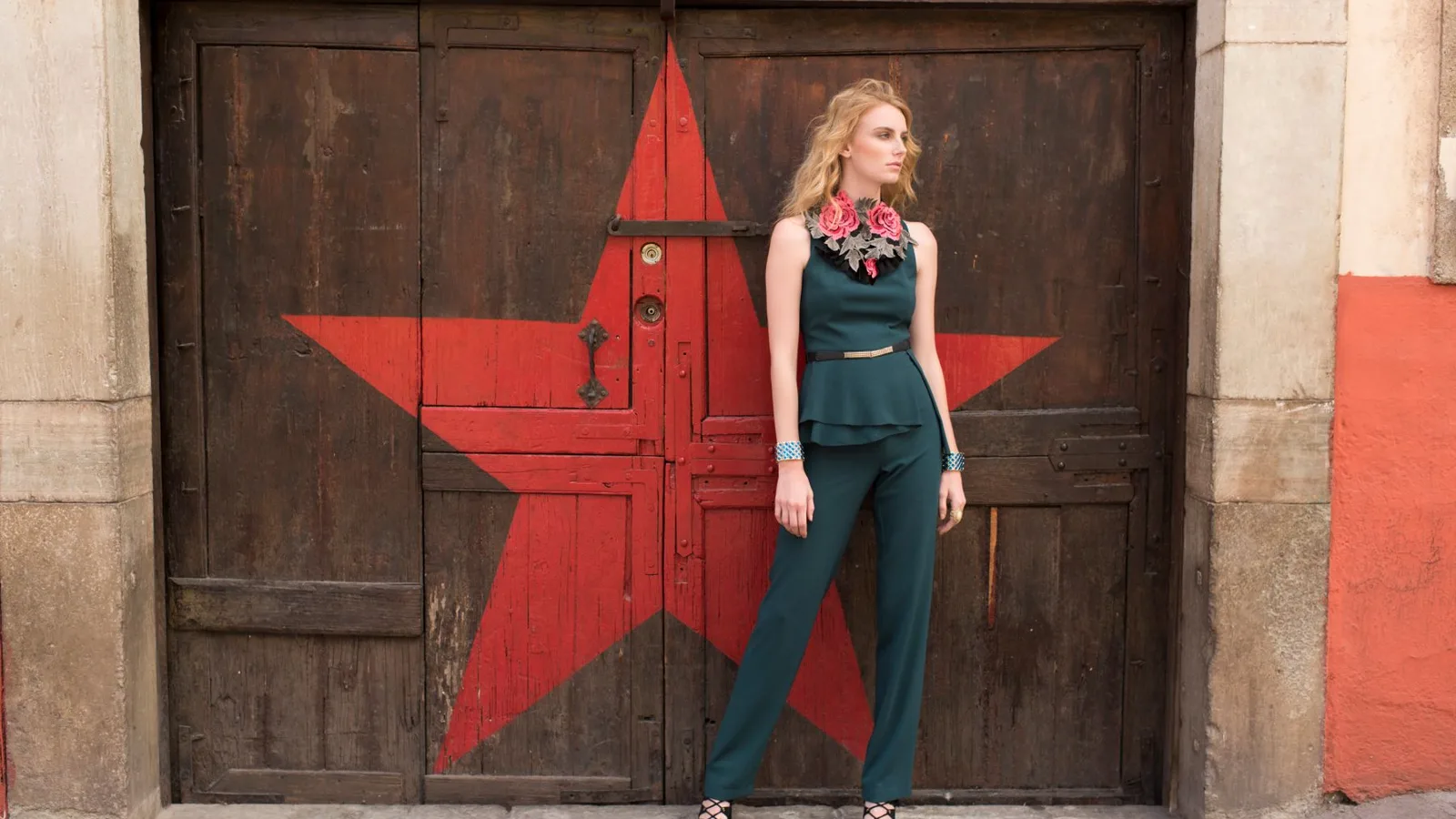
The garden code is where the jumpsuit or a second, lighter dress does the work. A linen or cotton-blend piece in a lighter neutral or a soft print, paired with flat sandals or espadrilles, answers the daytime and outdoor invitations the other two pieces were never built for. The same color logic that makes a color palette read as intentional rather than assembled applies here too: keep the base wardrobe’s colors coordinated, jewel tones and neutrals that already talk to each other, so accessories can move between outfits without a color clash undoing the reuse.
That gives a working wedding-season closet of three core pieces (one gown, one flexible midi dress, one lighter daytime piece) plus a small rotation of jackets, shoes, and jewelry that do the actual differentiating. It is a smaller shopping list than buying an outfit per wedding, and every piece in it earns its place across more than one invitation.
The one mistake to avoid
The single most common wedding-guest mistake has nothing to do with formality level: it is wearing white, ivory, or anything close enough to read as white in photos. This holds even at a casual or destination wedding where every other part of the dress code has relaxed, because it is one of the few etiquette conventions almost every couple and every other guest still expects a guest to know without being told. If a dress reads as “could be mistaken for the bride’s in a photo,” it is the wrong dress for this particular outfit, no matter how well it otherwise fits the stated dress code.
The second most common mistake is closer to a planning problem than a style one: shopping for each wedding individually as the invitation arrives, rather than building the three-piece base above once, before the season starts. That approach front-loads the decision-making into a single planning session instead of a rushed one the week before each event, and it is the difference between a wedding-season wardrobe and a pile of single-use purchases.
Packing and pacing across a full season
Because weddings cluster into the same few months rather than spreading evenly across the year, it is worth laying out every known invitation for the season at once and mapping each one to a dress code before the first event arrives. A season with two cocktail weddings and one black-tie reception needs a different base wardrobe than one with three garden weddings and no formal code at all, and knowing that in advance changes which of the three core pieces is worth the better fabric and the better fit.
This is also where the reuse math pays off hardest. A jacket, a second pair of shoes, or a different piece of jewelry is a far smaller purchase than a full outfit, and it is the layering-piece logic from capsule wardrobe math applied to a single, high-stakes category: the piece that goes over or under the most looks is worth more than a fourth dress bought for a single day.
Checking the final look before each wedding
Once a formula is picked and the outfit is on, the same check that works for any dress-coded event works here: does the whole look read as one clear formality level, or does one piece pull it in a different direction than the rest? A structured jacket over an otherwise casual garden dress, or flat sandals under a formal gown, is the kind of mismatch that is easy to miss in a mirror an hour before leaving and easy to catch with fresh eyes right before you walk out the door.
This is exactly the check Aurea is built to run before a wedding where the impression only happens once. Photograph the finished outfit, and it scores fit and proportion, color harmony, and occasion match in about thirty seconds, then names the one adjustment that would fix it if something is off. It will not tell you whether an invitation means cocktail or semi-formal, but it will tell you honestly whether the outfit you built for it is actually landing before you leave the house.
Questions, answered
Is it ever okay to wear the exact same outfit to two weddings if some guests overlap?
Yes, as long as you change one visible piece, a jacket, the shoes, or a statement accessory. Guests remember an impression, not an inventory, and swapping even one element is usually enough for the outfit to read as a different look.
What if the invitation does not state a dress code at all?
Default to the cocktail formula below. It is the safest middle option, dressy enough to not underdress a formal ceremony, relaxed enough to not overdress a casual one, and it is the code couples default to most often when they leave it off the invite.
Is it really considered wrong to wear white as a guest?
Treat all-white, ivory, and champagne as reserved for the bride, even at a casual or destination wedding where the rest of the dress code is relaxed. It is one of the few genuinely universal etiquette rules left, and breaking it draws attention for the wrong reason.
How should the same base outfit change between a daytime garden wedding and an evening reception?
Lean into fabric and shoes rather than swapping the whole outfit. A lighter fabric and flatter, grass-friendly shoes take a look from afternoon-appropriate to evening-appropriate once you add a structured jacket and a heel after dark.