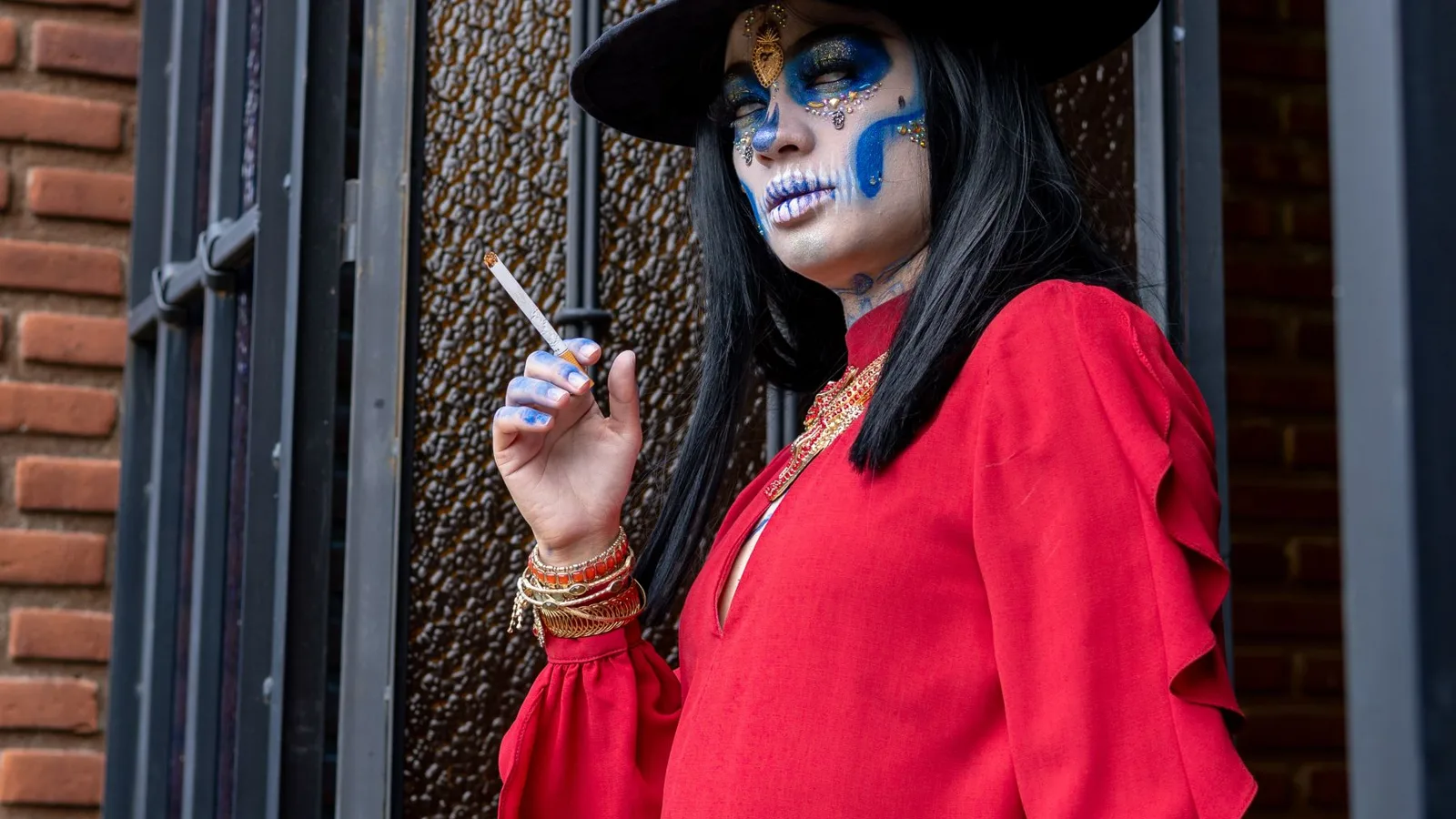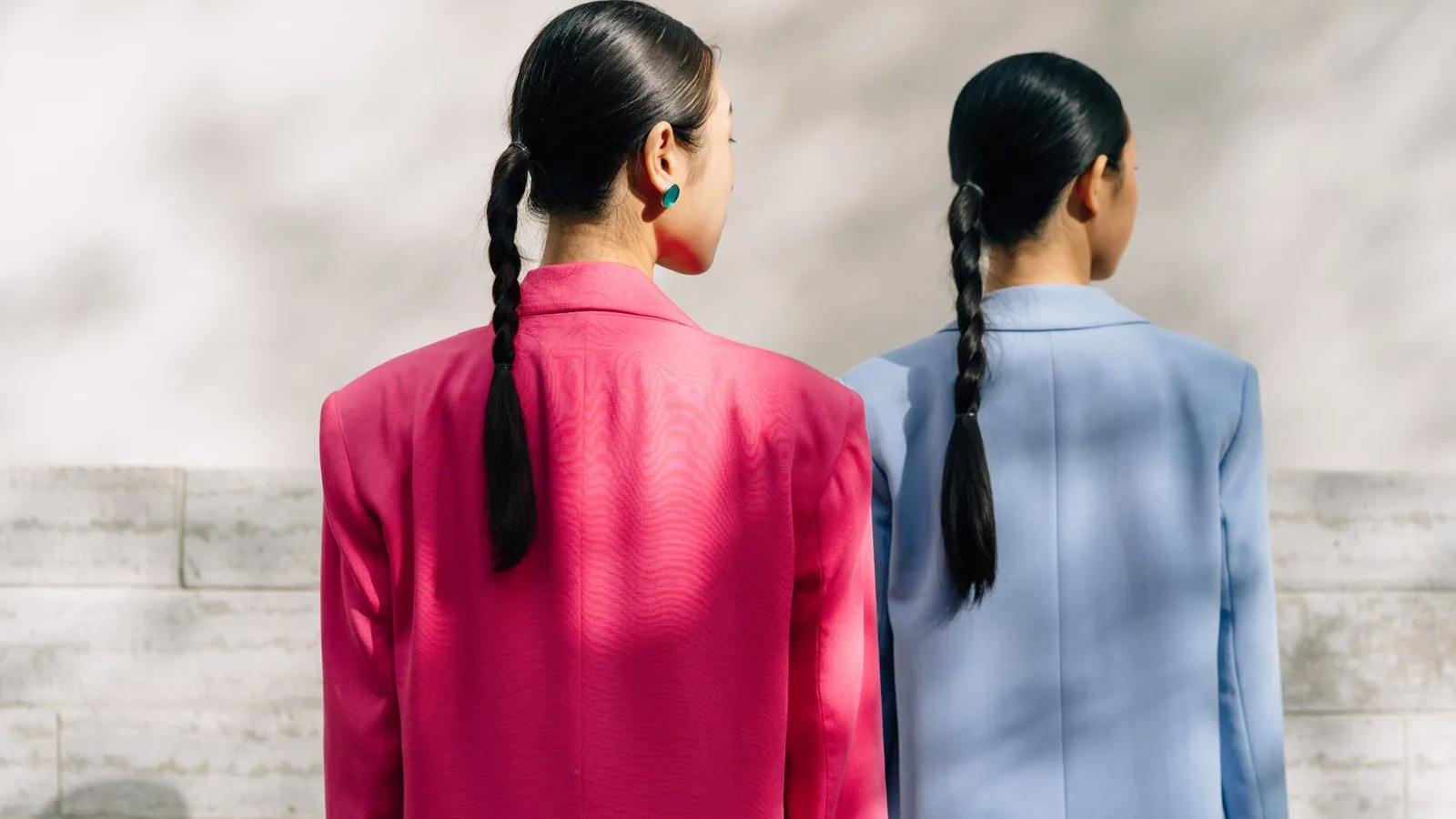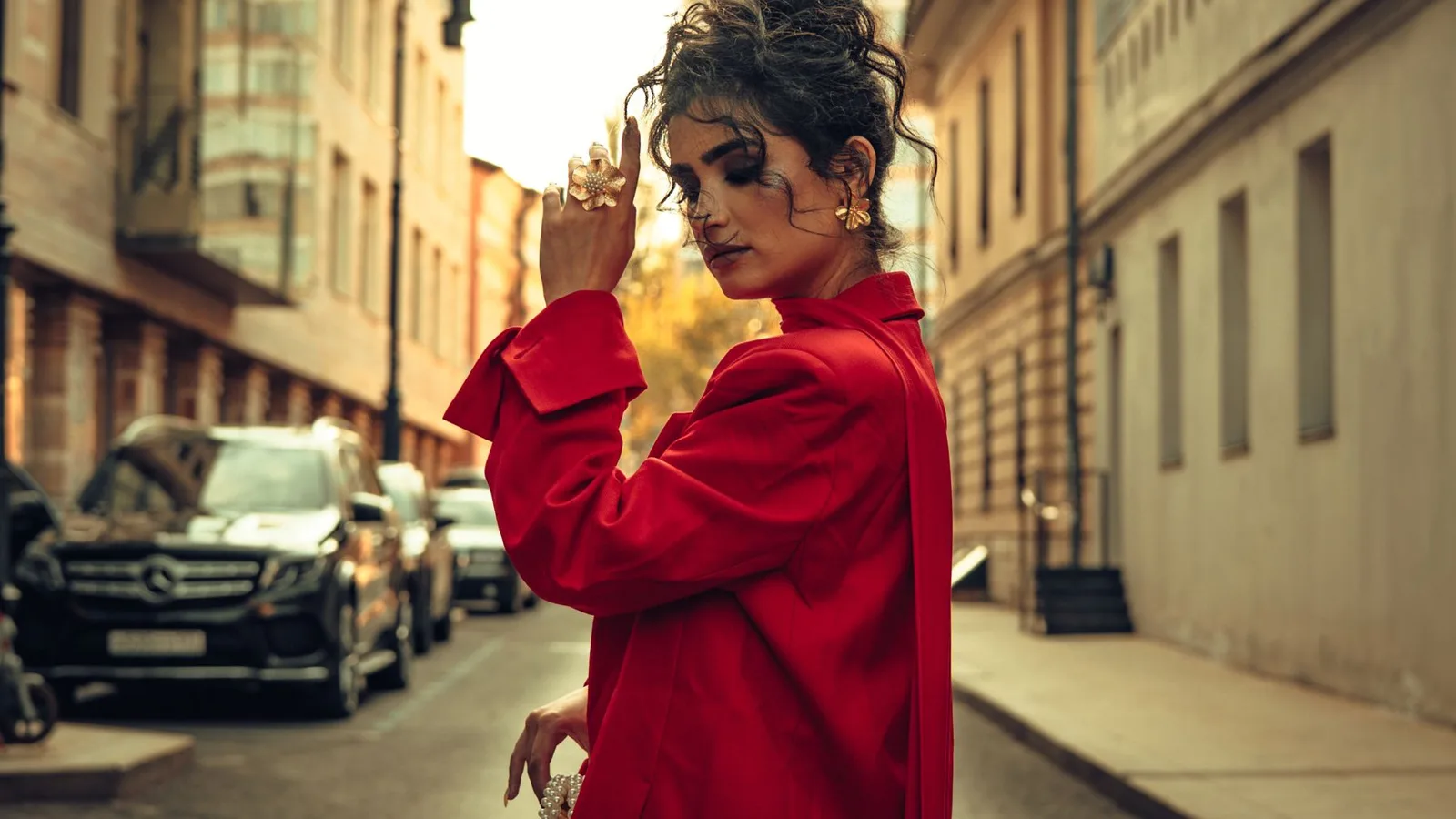
Fall is not a quiet season for weddings, it is the loudest one. The Knot’s Real Weddings Study puts October alone at roughly 17 percent of all U.S. weddings, the single largest share of any month on the calendar, which means a fall wedding invitation is less an exception than a near certainty if you are on more than one guest list this year. The three dress codes that cover most wedding invitations still apply in fall exactly as they do in June. What changes is everything sitting on top of the dress code: the color story, the fabric weight, and two variables that get far less attention than they deserve, the venue’s elevation and the gap between a daytime ceremony and an evening reception on the same invitation.
Fall changes the palette and the fabric, not the dress code
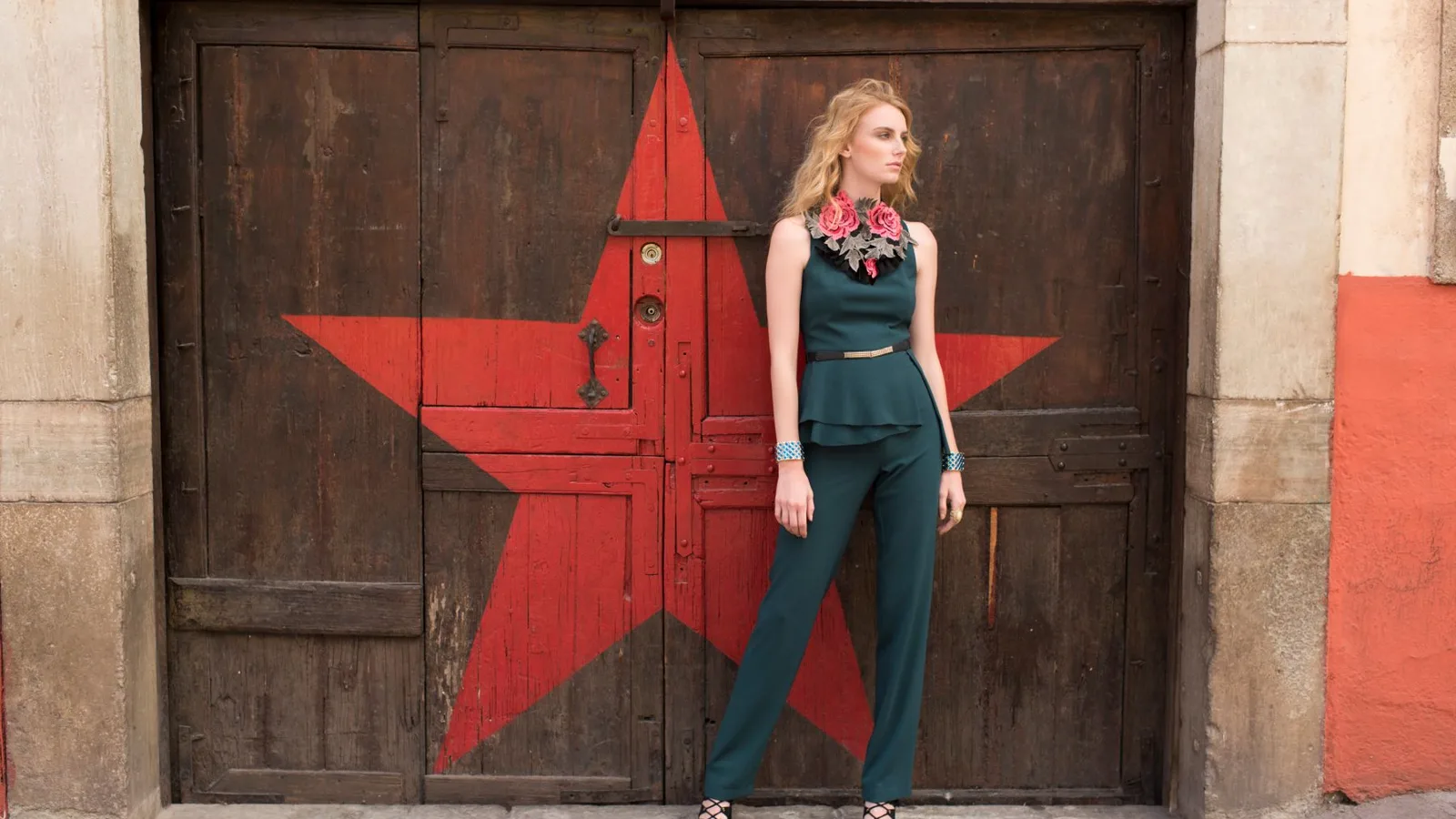
A cocktail dress code in October is still a cocktail dress code. What shifts is which cocktail dress actually reads as considered rather than out of season. Fall favors rich, saturated color over the pastels and light neutrals that dominate a spring or summer guest list: a deep emerald, burgundy, rust, or plum does the same formality job as a pale blue or blush version of the same silhouette, while also matching the season the wedding is actually happening in. It is the same warm neutral shift already showing up across this fall’s pieces worth buying, a genuinely warm brown or a rich jewel tone doing the job a lighter, cooler color used to do.
Fabric matters just as much as color. A cotton-blend sundress or a linen slip that reads perfectly at a June garden wedding reads thin and slightly wrong at an October one, even in the right color. Velvet, satin, crepe, and jacquard carry the visual weight a fall wedding calls for, and they photograph with a richness a lightweight summer fabric cannot match under the warmer, lower light a fall reception tends to have.
The mountain venue variable
A growing share of fall weddings sit at elevation, a vineyard on a hillside, a lodge, a barn with a mountain backdrop, and elevation changes the temperature math more than most guests plan for. A venue’s listed forecast is usually pulled from the nearest town at a lower elevation, so the actual ceremony site can run noticeably cooler, and it cools faster and further once the sun drops behind the ridge line than the same evening would at sea level. The same layering logic that gets a single day’s outfit through a big swing in temperature, covered in full here, applies directly to a mountain wedding, just compressed into a few hours instead of a full day.
A dress or suit built for the warmest part of the day, plus one substantial layer built for the coldest part of the evening: a velvet blazer, a wool wrap, or a lined cape rather than a thin pashmina. Choose the layer's color to relate to the outfit underneath it, not just to be warm, so it reads as a styled piece rather than a coat thrown on as an afterthought.
Footwear needs the same practical adjustment. Grass, gravel, and uneven ground at an outdoor mountain venue are genuinely hard on a thin heel, and a fall wedding gives you a built-in excuse to solve that without looking like you compromised: a block heel, a wedge, or a polished suede or velvet flat carries the same formality as a stiletto while actually functioning on the terrain.
Evening reception vs afternoon ceremony, same wedding, two different calls
Fall’s shorter days mean the gap between an afternoon ceremony and an evening reception can cover a bigger swing in both light and temperature than the same schedule would in July. An outfit that reads as fully appropriate for a 3pm outdoor ceremony can read slightly under-dressed once the reception moves indoors under evening light, and the fix is rarely a full outfit change. Swapping a daytime cardigan or open blazer for the velvet or wool layer from the formula above, and moving from a flatter daytime shoe into the evening’s heel, does the actual work of shifting formality without requiring two separate looks.
The reverse mismatch is just as common: an outfit built entirely for an elegant evening reception, deep jewel tones, a substantial fabric, can feel like overkill standing in bright afternoon sun during an outdoor ceremony. Where the invitation makes both settings clear, it is worth planning the outfit around the reception, since that is usually the longer, more photographed portion of the day, and treating the ceremony hours as the version with one layer removed.
Worked example: one dress, a ceremony and a reception
Take a burgundy midi dress in a substantial crepe, worn alone with a suede block heel and simple gold jewelry for an outdoor afternoon ceremony at a hillside venue. As the light drops and the reception moves toward evening, add a black velvet cropped jacket and swap in a slightly more polished pair of heels if the reception floor allows it, and the same dress reads as evening appropriate without ever having left the venue to change. If the wedding is at elevation and the temperature is dropping fast by the time dinner starts, a lined wool cape in the same burgundy or a complementary charcoal does the same job with more warmth. One dress, one added layer, and the outfit tracks the day instead of fighting it.
What to skip this fall wedding season
Skip a fabric built for warm weather even if the color is right. A pastel or cool-toned linen piece in a technically fall-appropriate silhouette still reads as a summer piece once the room fills with velvet, wool, and jewel tones around it. Skip a strappy, thin-heeled sandal for any venue with an outdoor grass or gravel component, no matter how well it matches the dress; a shoe that sinks into the lawn during photos undoes an otherwise considered outfit fast. Skip planning the outfit around the forecast for the town nearest the venue rather than the venue itself, particularly for a mountain or vineyard setting, since that is the single most common way a guest ends up shivering through cocktail hour in an outfit that looked perfectly reasonable on the drive over.
The one mistake to avoid
The single most common fall wedding guest mistake is treating the season as a color and fabric swap and stopping there, without accounting for the venue and the timeline stated on the actual invitation. A rich, correctly fall-toned outfit can still be the wrong outfit if it was planned for the forecast rather than the elevation, or for the ceremony hour rather than the reception that follows it. Read the invitation for venue and timing as carefully as you read it for dress code, since fall is the one season where those details change the outfit almost as much as the dress code itself does.
Checking the final look
Once the dress or suit, the layer, and the shoes are chosen, the same check that works for any wedding works here: does the whole outfit read as one considered fall look, or does it look like a summer outfit with a jacket added at the last minute? A rich, deliberate color paired with the wrong-weight fabric, or the right fabric paired with a shoe that cannot survive the venue, is the kind of mismatch that is easy to miss in an indoor mirror and easy to catch with a second look right before you leave.
This is exactly the check Aurea is built to run before a wedding where the outfit only gets one real audience. Photograph the finished look, and it scores color harmony, fit and proportion, and occasion match in about thirty seconds, then names the one adjustment worth making if something is off. It will not check the venue’s elevation for you, but it will tell you honestly whether the outfit you built for it is actually working before you walk out the door.
Questions, answered
Can I just take my usual wedding guest outfit and add a jacket for fall?
Often yes, and that is the fastest fix. A structured jacket, a velvet blazer, or a substantial shawl over an existing cocktail or midi dress covers most fall temperature drops without a full new outfit, as long as the color and fabric of the layer relate to the dress rather than fighting it.
How much warmer or cooler should I actually plan for at a mountain venue?
Plan for a wider swing than the forecast for the nearest town suggests, since elevation cools faster and further once the sun drops, especially outdoors after dark. A layer you can add or remove, rather than one fixed-weight outfit, is the safer call for any ceremony or reception with an outdoor component at altitude.
Is all black appropriate for a fall wedding, or does that read as too somber?
Black works fine for fall, particularly for an evening reception, but it benefits from one warm accent, a rust or burgundy shoe, bag, or shawl, so it does not read as flat or funeral adjacent next to a season full of warmer tones. Head to toe black with no relief is the version that risks reading wrong.
What shoes actually work for an outdoor mountain or vineyard fall wedding?
A block heel, a wedge, or a polished flat handles grass, gravel, and uneven ground far better than a thin stiletto, and a fall wedding gives you fabric cover, suede or velvet rather than a strappy summer sandal, to make the practical choice look intentional rather than like a concession.
How far ahead should I start planning a fall wedding guest outfit?
Start as soon as the invitation states the venue and time, not just the date. Venue and time of day decide the temperature and terrain variables that actually change the outfit, and those details often arrive later than the save the date, which is why a fall wedding outfit benefits from more lead time than a summer one.