Fall is arriving for half of Aurea’s readers right now, and spring is arriving for the other half, which means any trend list has to actually work for both instead of pretending the whole world is on one seasonal clock. The good news is that the pieces worth buying this cycle are less about a single hot color and more about a handful of silhouette shifts that show up in both hemispheres, just in different fabric weights. This piece separates what is actually worth the receipt from what is worth skipping, and gives you a rule for telling the difference yourself next season.
The filter that saves you money before you shop
Before getting to specific pieces, it helps to have one honest question to ask in the fitting room: will this item earn its cost per wear, or is it earning its cost per photo? A cost-per-wear piece slots into outfits you already own and gets worn a dozen different ways across a season. A cost-per-photo piece looks striking in one very specific styling, worn once, and then sits in the closet because nothing else you own matches its exact color, proportion, or vibe.
Neither is wrong to buy, but they are different purchases with different budgets, and confusing the two is the single biggest reason a “trendy” closet ends up feeling more expensive and less useful than a plain one. Everything below is sorted with that distinction in mind.
Worth buying this fall (Northern Hemisphere)
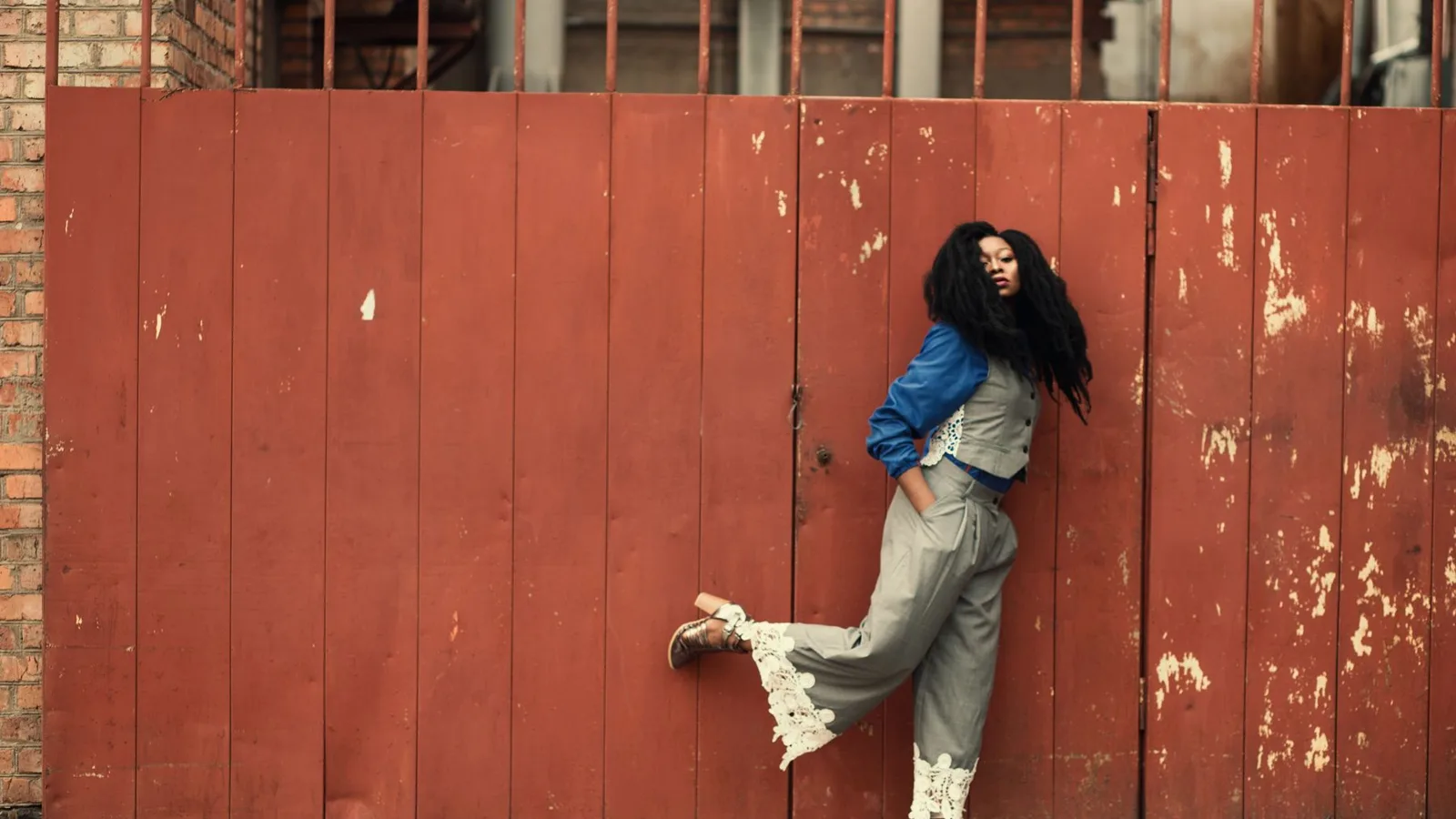
A wider-leg trouser. The skinny-leg default has been losing ground for several seasons now, and a relaxed or barrel-leg trouser is the direct beneficiary. It is more forgiving through the hip and thigh than a skinny cut, pairs cleanly with a fitted top to keep the silhouette balanced, and works from the office through a dinner out without a change of clothes.
A genuinely warm, muted brown. Chocolate, mocha, and walnut are doing the quiet-neutral job that all-black used to do on its own, without reading as flat the way pure black can under indoor light. A brown coat, knit, or bag pairs with almost everything already in a fall capsule, which is exactly what makes it a cost-per-wear piece rather than a cost-per-photo one.
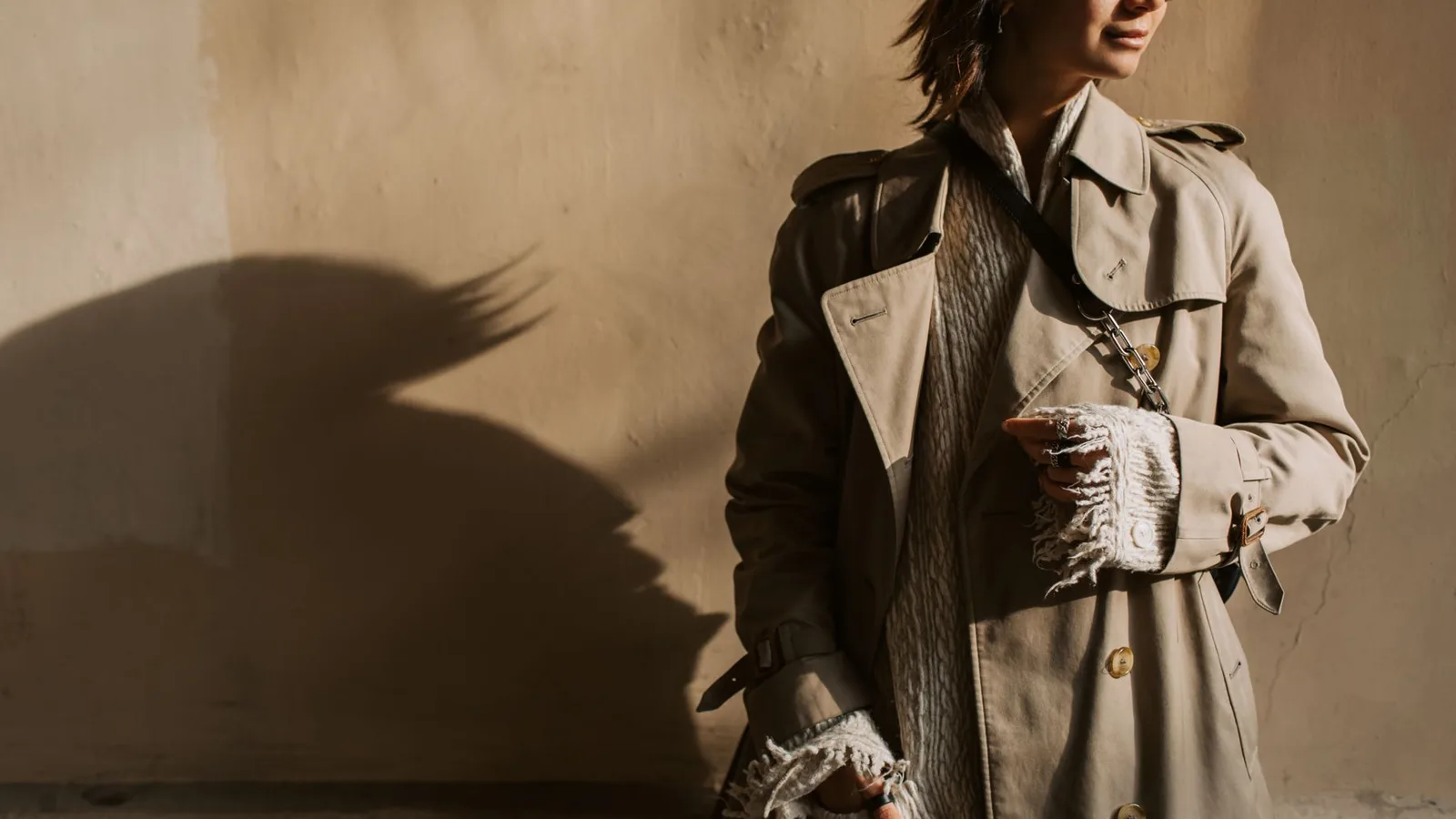
The overshirt or shacket as your layering piece. If you have already worked out the mechanics of layering for a temperature swing, the overshirt is the piece doing the actual work; we cover the full logic of that layer in our guide to transitional dressing. This season’s version tends to run slightly longer and boxier than last year’s, but the core styling logic does not change.
A polished flat shoe over a sneaker. A clean loafer, a low mule, or a structured flat is stepping into slots a white sneaker used to fill by default. It reads more considered with tailored pieces and still holds up for a full day on your feet, which is the actual test a shoe needs to pass before it earns a spot.
Worth buying this spring (Southern Hemisphere)
A lightweight version of the same wider trouser. The silhouette shift holds across hemispheres even when the fabric does not. A linen-blend or lightweight wool trouser in the same relaxed cut gives you the proportion trend without the warmth a fall fabric would add.
A longer or asymmetric-hem shirt. The plain white shirt is not going anywhere, but this cycle’s version tends to run a few inches longer at the back hem or sit slightly off-center at the front, which changes the outfit’s proportions without changing what you pair it with.
A low block heel or a ballet flat. Both are filling the “dressed but not trying hard” slot that spring events tend to call for, and both are considerably easier to wear through a full day than a thin stiletto.
A bag in tan or camel rather than black. The same warm-neutral logic from the fall list applies here: a warm-toned bag pairs with more of an existing spring wardrobe than a cool black one does, and it photographs better in natural daylight, which spring simply has more of.
What to skip this cycle
Skip anything built around one very specific, hard-to-repeat detail: an exact print placement, a single unusual trim, a color that only pairs with itself. These pieces tend to photograph beautifully in the one outfit they were styled for and then sit unworn, because nothing else you own was chosen with that exact detail in mind.
Skip an entirely new silhouette bought in isolation, with nothing else in your closet built to pair with it. A wider trouser is only a good buy if you already own, or are willing to buy, the fitted top that balances it. Buying the trend piece alone and hoping the rest of the outfit will follow is how a closet ends up with expensive orphans.
Skip a fabric weight that does not match your actual climate. A heavy fall coat bought because it looked good in a Northern Hemisphere trend report is a poor buy for a Southern Hemisphere spring, no matter how good the silhouette is. Translate the shape, not the exact fabric, when you are reading a trend report written for the opposite season.
The 80/20 rule for buying into a trend
Put roughly 80 percent of a season's clothing budget toward foundational pieces you already know work: the trousers, knits, and shoes that pair with almost everything you own. Reserve about 20 percent for one or two trend pieces, chosen specifically because they pair with what you already have, not because they stood alone in a photo. This keeps a trend cycle from quietly turning into a closet full of one-outfit purchases.
Worked example: one trend piece, five outfits
Take the wider-leg brown trouser from the fall list above. Worn with a fitted white tee and loafers, it is a weekend outfit. Add a blazer in navy or ivory, and it moves to the office. Swap the tee for a fine merino knit and add boots, and it works for a casual dinner. Pair it with a silk shirt and the same loafers for a work event that needs slightly more polish. Roll the hem and pair with a sneaker for a genuinely casual day. One piece, five distinct outfits, because the color is neutral enough to pair with almost anything already in a fall capsule. That is what a cost-per-wear purchase looks like in practice, and it is the test worth applying before any trend piece leaves the store with you.
Checking a trend piece before you commit
The fitting room mirror is a reasonable first check, but it is a poor judge of how a piece will actually look against the rest of your closet, in daylight, next to the shoes and bag you will actually pair it with. That is the exact gap Aurea is built to close: photograph the piece styled with what you already own, and it scores the color pairing, the fit, and whether the whole look reads as intentional, before the receipt is final rather than after. A trend piece is a bigger bet than a basic, and it deserves a more honest check than a single mirror in imperfect lighting.
Questions, answered
How much of my wardrobe budget should actually go toward trend pieces each season?
A useful starting split is 80 percent toward foundational pieces you already know work, and 20 percent toward one or two trend pieces chosen for versatility. Spending more than that on directional pieces is how a closet fills up with items that photographed well once and never got worn again.
Is it better to buy a trend piece in a bold color or a neutral?
Neutral, almost every time, unless the color itself is the entire point of the piece. A trend silhouette in chocolate brown, camel, or soft black slots into outfits you already own, while the same silhouette in a directional color only works with pieces bought specifically to match it.
I am in the Southern Hemisphere. Should I ignore fall trend reports entirely?
Not entirely. Silhouette and proportion trends, like a wider trouser leg or a longer coat line, tend to hold across hemispheres even when the fabric weight does not. Read fall reports for shape, then translate the fabric and layering to your actual spring temperatures.
How do I know if a piece is a genuine trend or a micro trend that will look dated in a year?
Check whether the piece has a clear predecessor. A wider trouser leg is a slow evolution of a silhouette that has been shifting for several seasons, which tends to have staying power. A piece that appeared suddenly with no visible lead-up, built around one very specific detail, is the one more likely to read as dated once the cycle moves on.