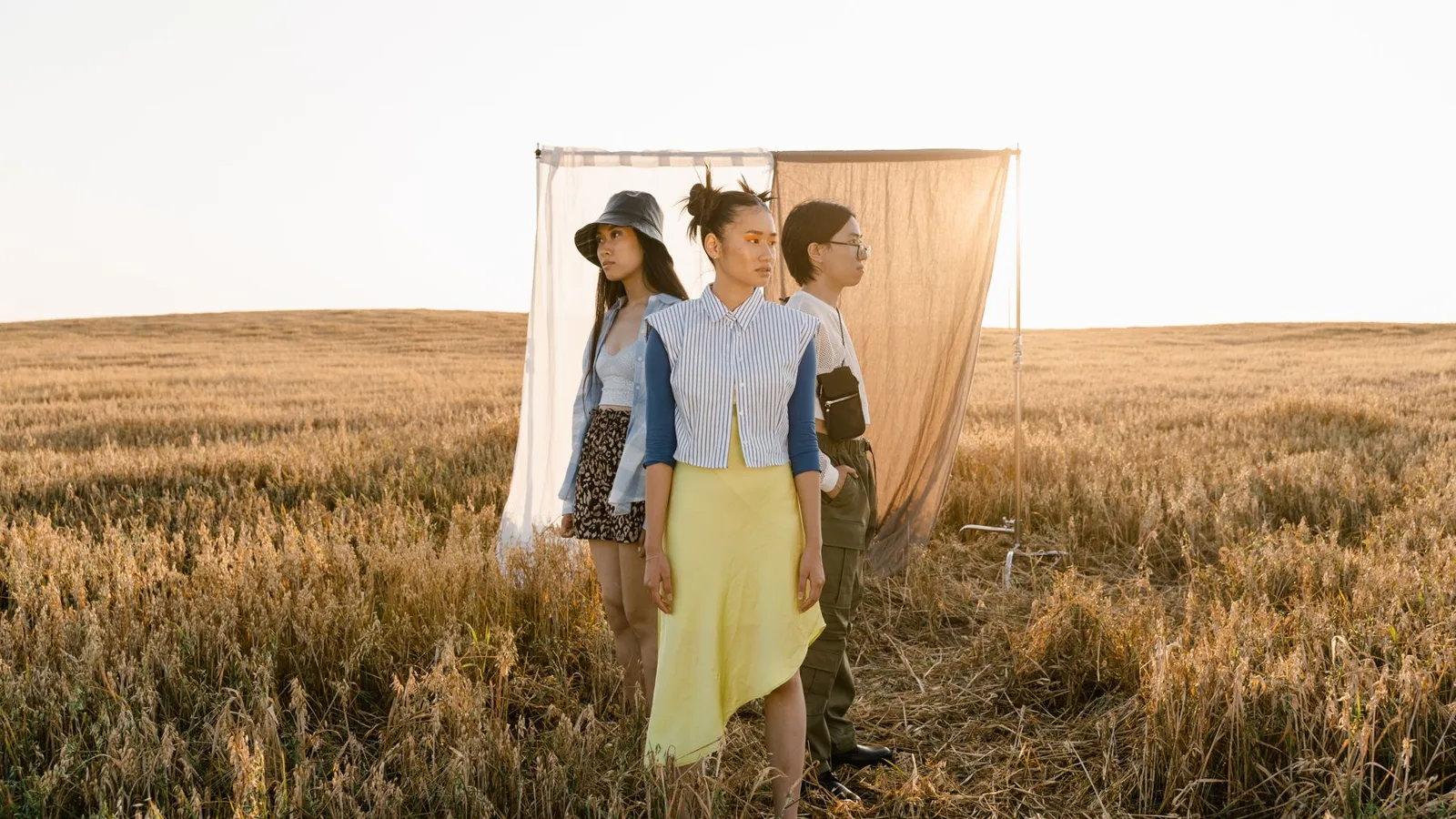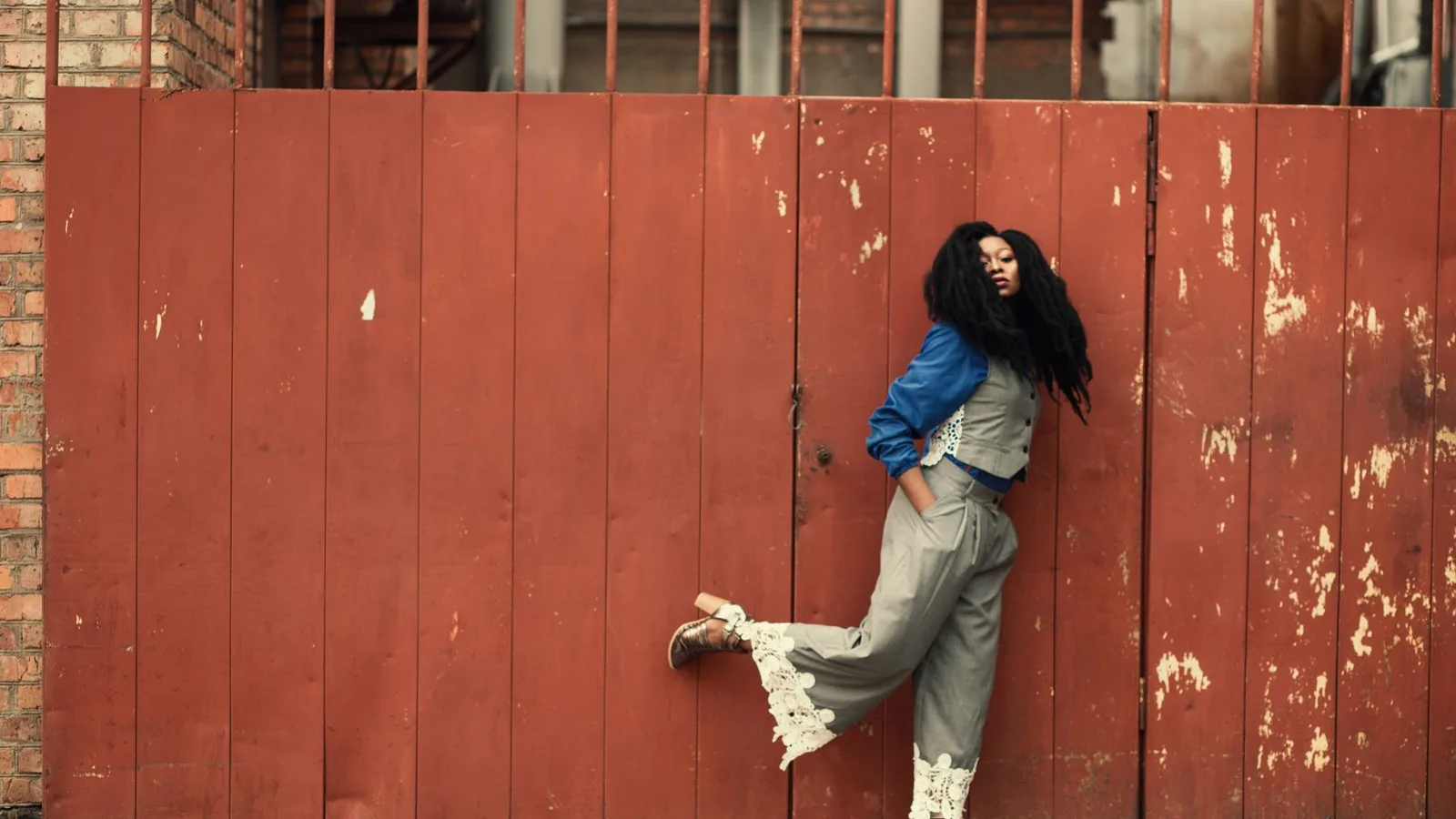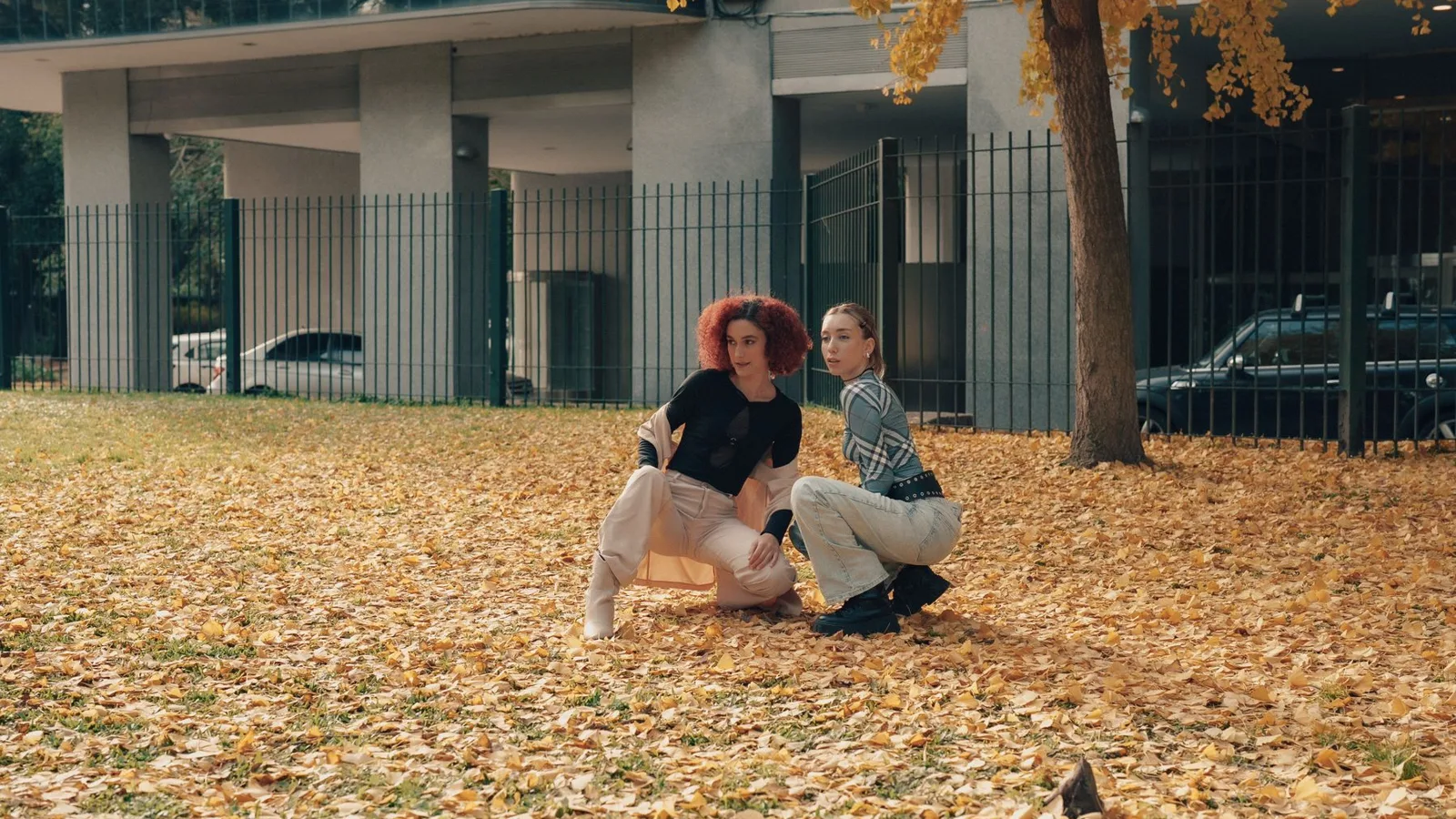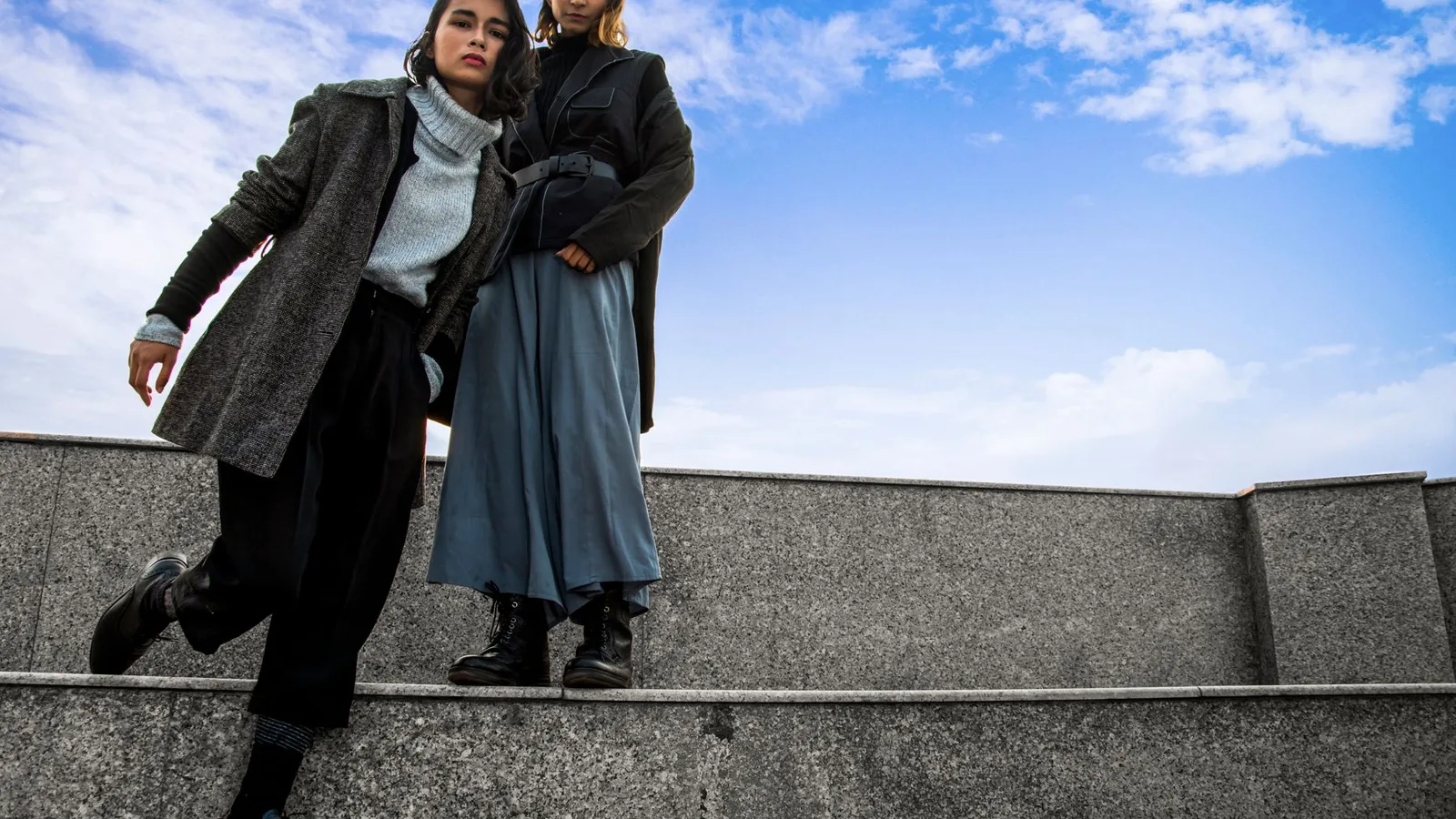
Fall and Spring 2026 already got its own trend list on this site, sorted by what earns its cost per wear and what only earns its cost per photo. That piece stopped at the shoulder seasons on purpose, because the temperature gap between a Northern Hemisphere fall and a Southern Hemisphere spring is small enough that one fabric weight, translated, covers both readers. Winter does not work the same way. Half of Aurea’s readers are heading into a genuine cold season through November and December; the other half are heading into full summer at exactly the same calendar moment, which is a much bigger gap than a silhouette can quietly absorb. The runway trends that actually defined fall/winter 2026/2027 lean into fabric, texture, and occasion dressing rather than a simple shape shift, so this piece treats winter on its own terms: what is worth buying if the cold ahead of you is real, and how the same five signals translate if the season ahead of you is warm instead.
The five fall/winter 2026 trends worth knowing about
Five signals showed up clearly enough across fashion month and the Pantone Color Institute’s own seasonal report to be worth acting on, rather than a hundred micro trends that will not survive one season.
Plaid and tartan outerwear. Check prints and tartan weaves ran through the fall/winter 2026 collections at Chloe, Acne Studios, Burberry, and Rabanne, across coats, shirts, and dresses. A tartan coat or a plaid wool shirt is a genuine cost-per-wear buy for a cold climate, since a checked neutral pairs with almost anything solid already in a winter capsule.
Faux fur, in a small dose. Valentino, Chanel, Gucci, and Schiaparelli all brought faux fur back prominently for fall/winter 2026, including fur coats and fur trims in more than one color. A full fur coat is a big, narrow bet; a faux fur collar, cuff, or bag charm gets the same texture signal into a wardrobe without asking one expensive piece to do all the work.
One piece of velvet eveningwear. Velvet returned across a wide run of fall/winter 2026 collections, Ralph Lauren among them, closing its show on velvet gowns cut with real formality. A single velvet blazer or slip skirt is the one piece from this list most likely to get worn more than once, because velvet reads as dressed up on its own and calm when paired with something plain.
A statement brooch or pin. Khaite, Simone Rocha, Dior, and Chanel all leaned on oversized brooches, floral pins, and rosette details as a finishing touch for fall/winter 2026, pinned to lapels, coats, and bags rather than built into the garment itself. It is the cheapest, lowest-commitment piece on this list, and the one most likely to earn back its cost many times over.
One saturated jewel tone. The Pantone Color Institute’s Fashion Color Trend Report for New York Fashion Week Autumn/Winter 2026/2027 pairs grounded neutrals with a handful of genuinely saturated brights, and calls out a jewel-toned green, its name for the shade is Green Envy, as the standout of the group, built to read as rich rather than loud, especially in satin or another light-catching finish.
Keep the base neutral, charcoal, chocolate, or navy, and let one jewel tone (a deep emerald green, a rich burgundy, or Pantone's own Green Envy) do the color work in a single piece: a sweater, a bag, or one accessory. The neutral carries the outfit; the jewel tone is what makes it read as this season rather than any other one.
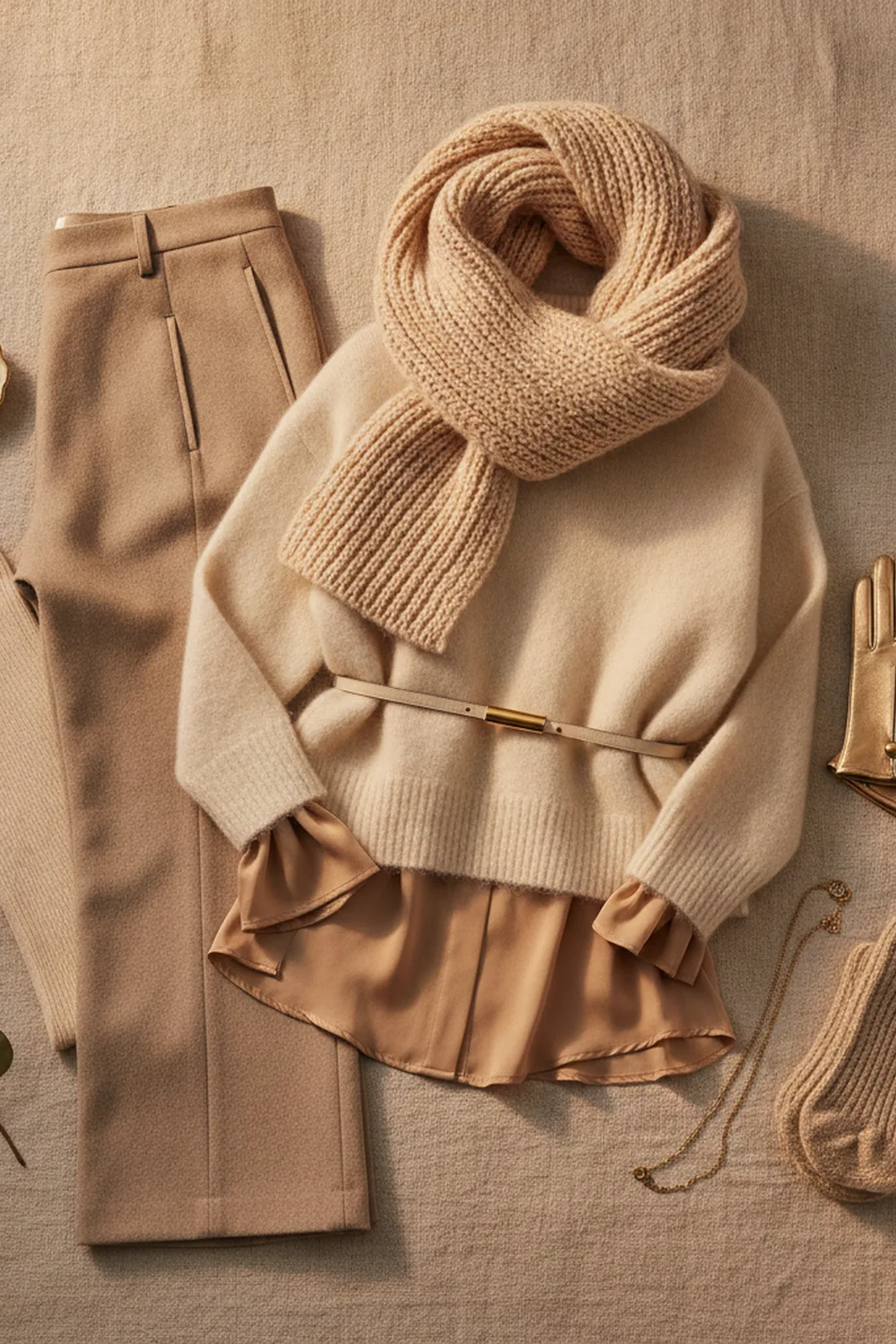
Image: Aurea studio.
Translating the five trends into a Southern Hemisphere summer
Two of the five trends above are already weight-agnostic, which means they translate south without any real change. A statement brooch pins to a linen shirt exactly as well as it pins to a wool coat, and a jewel-toned accessory, a bag, a sandal, a pair of earrings, carries Green Envy or a rich burgundy just as clearly in summer as it does against a charcoal coat. Buy those two exactly as described above regardless of which hemisphere you are packing for.
The other three need a genuine substitution, not a lighter version of the same garment. A full tartan coat has no real summer equivalent, but a plaid worked into a lightweight linen or cotton shirt keeps the print without the wool weight behind it. A faux fur coat has no summer version at all, but the same texture signal survives as a small faux fur charm clipped to a bag, which is a decoration, not outerwear, so climate stops being the limiting factor. Velvet is the one trend that genuinely resists translation, since its whole appeal is a heavier hand-feel that reads as autumn-and-winter no matter how it is cut; skip it entirely for a warm-climate wardrobe rather than forcing a lightweight substitute that loses the point of the trend.
Worked example: one piece, a full week
Take the single velvet piece from the list above, a simple velvet blazer in a deep, neutral shade like bottle green or aubergine. Worn over a plain white tee and dark denim, it is a considered daytime outfit rather than a costume-y one. Add tailored trousers and a silk shirt underneath, and the same blazer moves to a client dinner or a work event that calls for more polish. Layer it over a slip dress for an actual evening out, and it becomes the whole outfit’s formality without a second dressy piece needed. Add the season’s brooch to the lapel for a holiday party, and the same three-piece rotation gains a fourth distinct look without a single new garment entering the closet. One velvet piece, four occasions, because the color and cut were chosen to pair with what already existed rather than to stand alone in one photo.
What to skip this cycle
Skip buying a full head-to-toe version of any one trend, an entire tartan look or an entire faux fur look; a single piece does the seasonal signaling, and a full look reads as costume rather than considered. Skip a fast-fashion faux fur specifically, since a cheap synthetic pile mats and flattens after a handful of wears, which turns a texture trend into a texture regret by the second month of the season. Skip buying the exact viral jewel tone in a piece you will only wear once, a bridesmaid-style single-use dress in Green Envy is a worse buy than the same color in a scarf or a bag you will actually reach for weekly.
The one mistake to avoid
The single most common trend-buying mistake this season is the same one every season: buying a piece because it looked striking in one runway photo, without checking how many things already in the closet it can actually pair with. A tartan coat, a velvet blazer, or a jewel-toned bag is only a good buy if it slots into outfits that already exist; bought in isolation, hoping the rest of the wardrobe will catch up to it, it becomes exactly the kind of expensive orphan a trend list should be helping you avoid, not create.
Checking the final look
The fitting room mirror is a reasonable first check, but it cannot show a trend piece against the specific coat, bag, or knit it will actually be worn with at home. That is the gap Aurea is built to close: photograph the piece styled with what you already own, and it scores the color pairing, the fit, and whether the whole look reads as intentional, before the receipt is final rather than after. A trend piece is a bigger bet than a basic, whichever hemisphere you are buying it for, and it deserves a more honest check than one mirror under fitting-room lighting.
Questions, answered
Is it worth buying into fall/winter 2026 trends if I am heading into summer instead?
Yes, but at accessory scale rather than garment scale. A heavy tartan coat does not translate south, but the color, the brooch, and the jewel tone behind it all do, in a lighter fabric or a smaller piece.
What is the single most versatile trend from this list?
The statement brooch or pin. It costs the least, commits to nothing else in your closet, and works pinned to a coat in a cold climate or a linen shirt in a warm one, which is why it is the easiest trend on this list to actually buy.
Is velvet only appropriate for formal, dressed-up occasions?
No. One velvet piece, a blazer or a simple skirt, dresses down with a plain knit or a t-shirt underneath just as easily as it dresses up, which is exactly what makes it worth the one purchase rather than a whole velvet look.
How many of these five trends should I actually buy?
One or two, chosen for how many things you already own they pair with. Buying all five in one season is how a closet ends up with several single-occasion pieces instead of one or two that actually get worn.