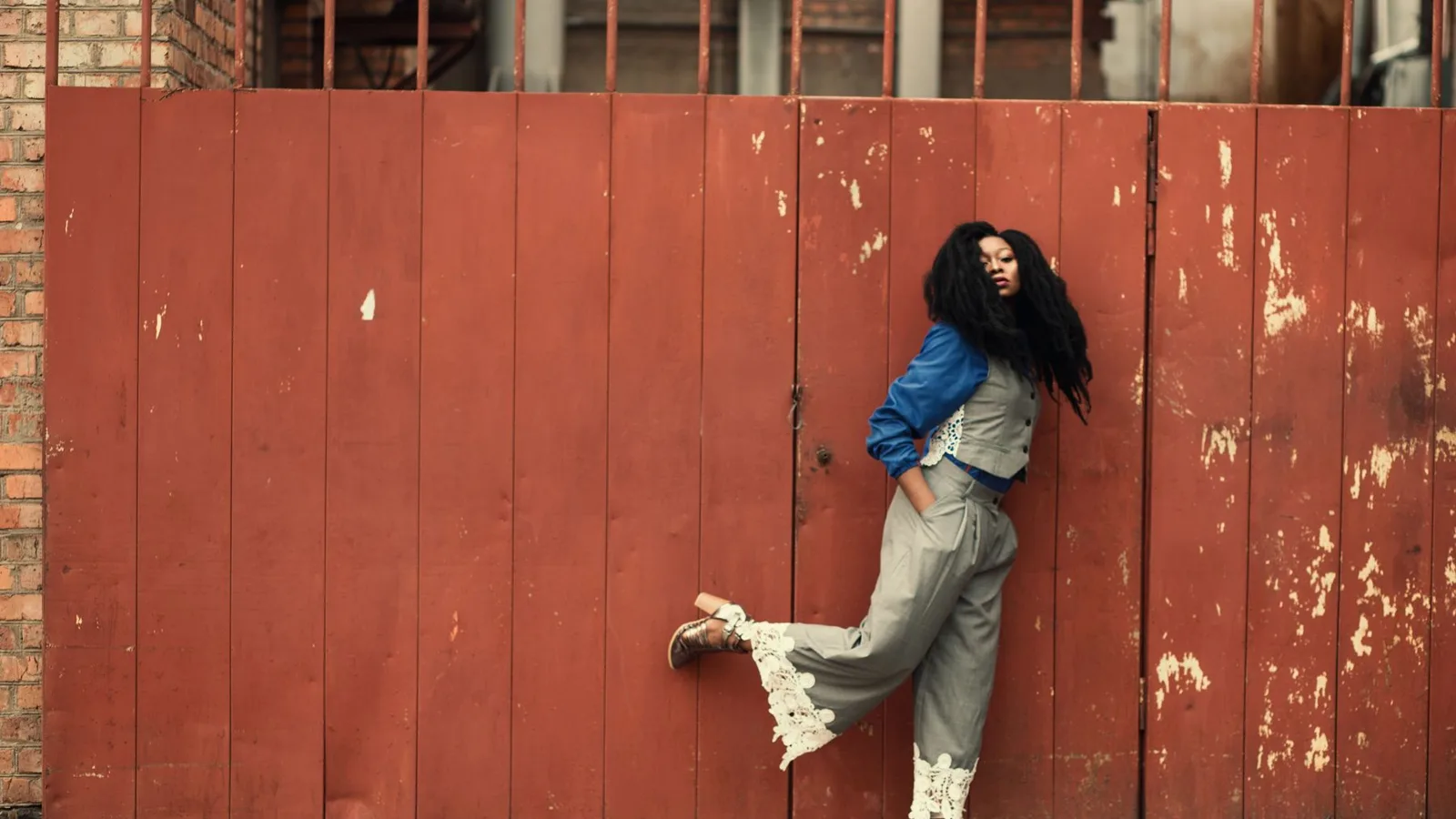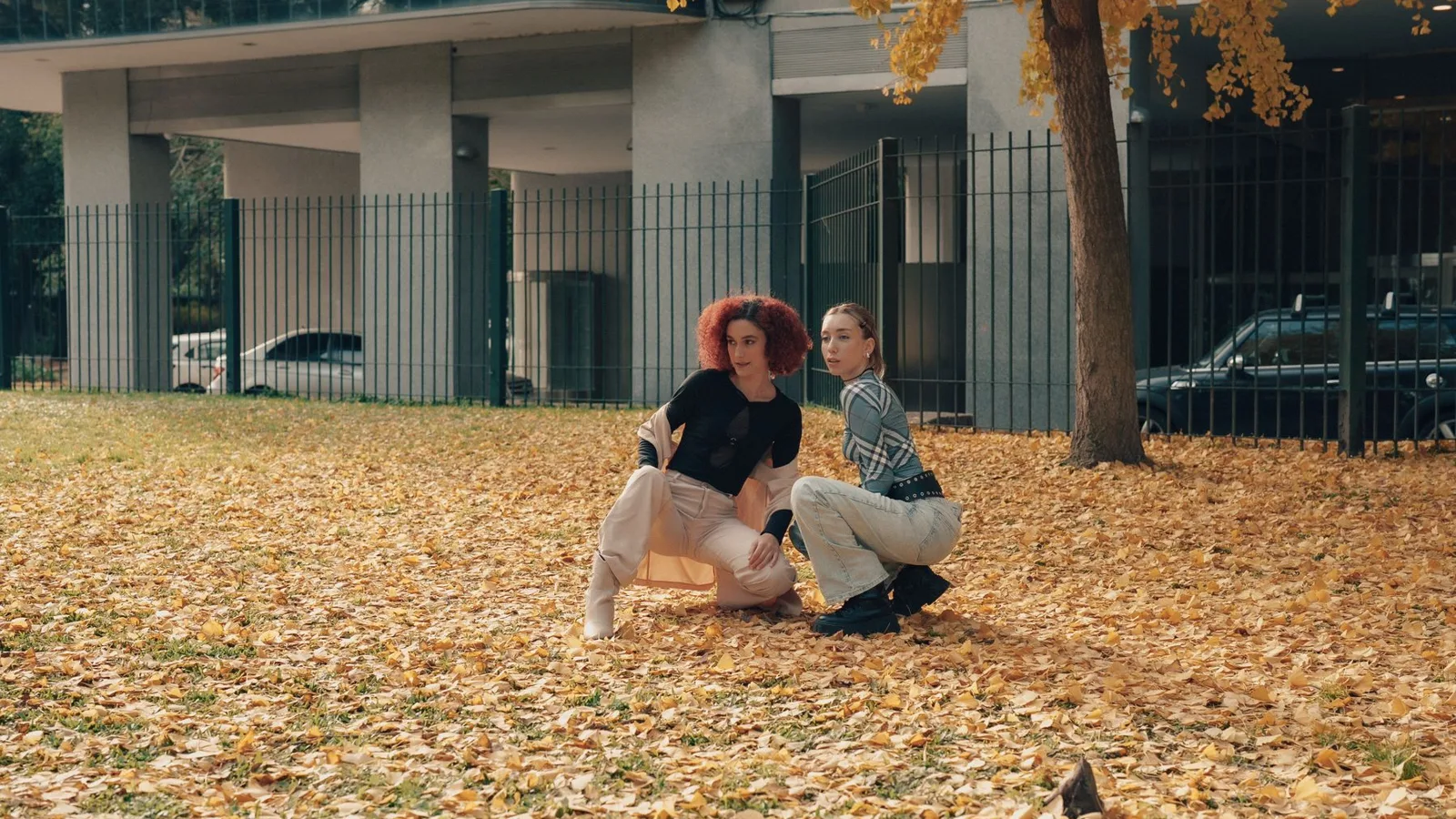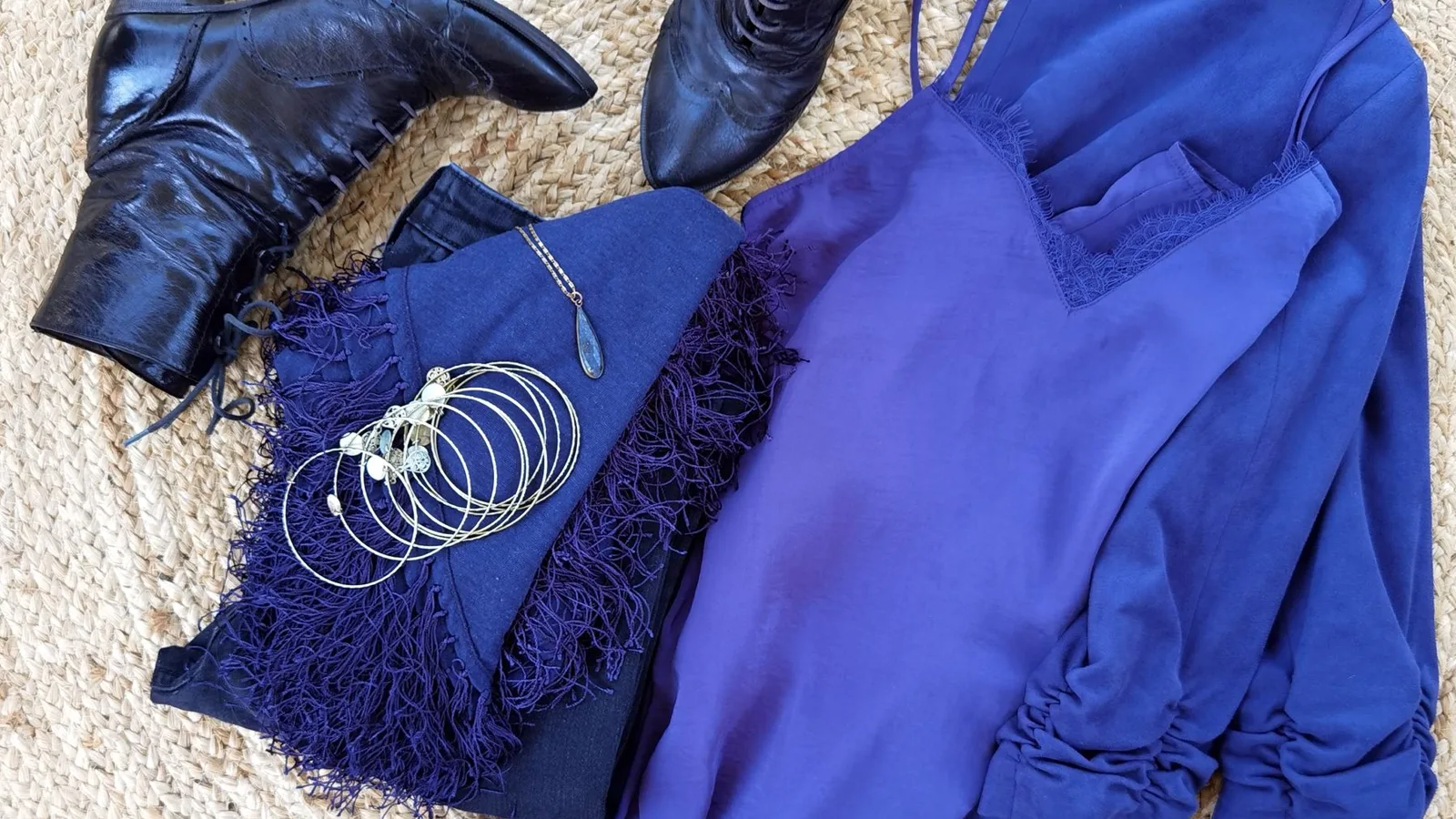
The forecast for a transitional-season day rarely fits in one line. Cool enough for a coat at eight in the morning, warm enough to regret it by noon, cool again the moment the sun drops. Dressing for the average of those three temperatures is how most transitional-season outfits fail: too warm at midday, not warm enough by evening, and never actually right for more than a couple of hours at a stretch. The fix is not a heavier or lighter single outfit, it is building the outfit as a small system with pieces that can come off, layer on, and change the whole look’s temperature without changing its shape.
Why one outfit has to flex
Early fall and mid spring are the two stretches of the year when the gap between a morning low and an afternoon high tends to feel the widest, even in climates that do not swing dramatically the rest of the year. That gap is exactly what a summer outfit or a winter outfit is not built to handle: a summer outfit has nothing to add when the temperature drops, and a winter outfit has nothing to remove when it climbs. A transitional outfit needs both directions built in from the start, which means treating the temperature swing as the actual design brief rather than picking one temperature and hoping the rest of the day cooperates.
The practical version of that brief is a three-part system: a base that is genuinely comfortable on its own in the warmest part of the day, a mid layer that adds real warmth without bulk, and a final layer that can be removed entirely and carried without becoming a burden. Each piece has one job, and the system only works if all three are doing their own job rather than overlapping.
A fine long-sleeve knit, a lightweight button-down, or a fitted tee, something that reads as a complete top on its own once the outer layers come off. This is the piece that has to survive the warmest hour of the day without you wanting to take it off entirely, so it should be the lightest, least bulky item in the whole outfit.
An overshirt, a light cardigan, or a thin quarter-zip that adds real warmth without changing the silhouette much. This is the piece that goes on for the cool morning commute and comes off by mid-morning, so it needs to be easy to remove without disturbing the base underneath, nothing that has to be pulled over the head if the base is not built to handle that.
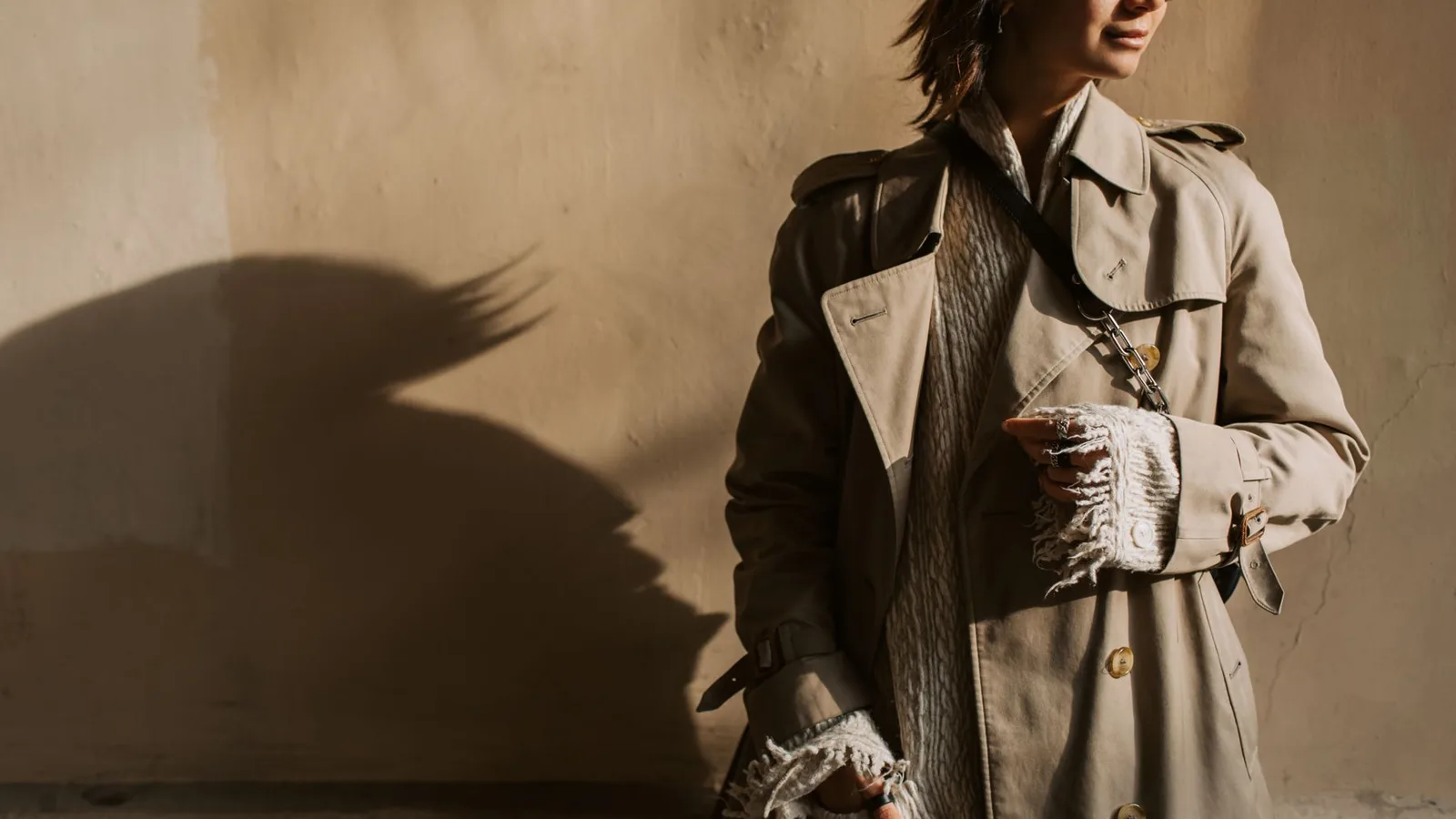
A structured jacket, a trench, or a wool-blend coat that can be carried, not just worn. This is the piece doing the most visual work in the outfit, so it is worth spending more on than the other two, and it is also the piece most likely to spend half the day folded over an arm or a bag, so weight and packability matter as much as how it looks on.
Building it around a base you would wear alone
The base layer is the piece that decides whether the whole system works, because it is the only one guaranteed to be on your body for the entire day. Pick a fine merino or cotton-blend knit in a color that matches the rest of the outfit on its own, not one that only looks finished under a jacket. A base that looks unfinished by itself will make the entire outfit feel unresolved the moment the temperature climbs and the outer layers come off, which is exactly the stretch of the day when you are most likely to be seen without them.
Take a worked example: a fine navy merino crewneck as the base, a camel overshirt as the mid layer, and a wool-blend trench as the final layer, all in colors that already sit next to each other on the color wheel rather than fighting for attention. At eight in the morning, all three are on and the outfit reads as fully considered cold-weather dressing. By noon, the trench is folded over one arm and the overshirt is open, and the navy-and-camel combination underneath still reads as an intentional pairing, not a stripped-down version of a warmer outfit. By evening, the trench goes back on over the same base, and the whole system has covered three different temperatures without a single piece feeling out of place in any of them.
The layering math this borrows from
This is close to the same multiplying logic that makes a 12-piece capsule wardrobe work harder than its piece count suggests: a layer that goes over almost everything else in a wardrobe is worth more, outfit for outfit, than a piece that only works in one configuration. A transitional mid layer is doing double duty in exactly that sense, it has to pair cleanly with more than one base and more than one final layer, so it is worth choosing for how well it recombines, not just for how it looks in a single outfit photo.
That is also why a genuinely transitional piece tends to be a neutral rather than a seasonal print or a bold color. A patterned overshirt might be the best-looking piece in a single outfit, but it will only pair cleanly with one or two bases, which defeats the point of a piece meant to be added and removed all day across whatever base happens to be underneath it.
The one mistake to avoid
The single most common transitional-dressing mistake is choosing pieces that only work as a set, a mid layer cut specifically to match one particular base, a final layer that only zips over one specific silhouette. That kind of matching looks polished in a single outfit but falls apart the moment one piece comes off for a few hours, because the remaining pieces were never actually designed to stand on their own. Building each layer to work independently, not just as part of one fixed combination, is what makes the system hold up across an entire unpredictable day rather than just the ten minutes you left the house.
The second most common mistake is treating the final layer as the only piece worth spending on and neglecting the base underneath. A great coat over a base that looks unfinished on its own still leaves you exposed for however many hours the coat is off, which on a genuinely transitional day can be most of the afternoon.
Checking the final look, at every stage
A transitional outfit needs to be checked more than once, since it is genuinely a different look with the final layer on than with it off. Check the full three-layer version before leaving the house, then check the base-and-mid-layer version too, since that is the version most likely to be seen in public for the longest stretch of the day. Does the outfit still read as one clear idea with the coat off, or does it suddenly look unfinished without it?
This is exactly the kind of check Aurea is built to run at either stage. Photograph the outfit with all three layers on, then again with the final layer off, and it scores fit and proportion, color harmony, and occasion match for each version in about thirty seconds. It will not check the weather for you, but it will tell you honestly whether the outfit you built is actually working before you commit to wearing it through a day that will not stay one temperature.
Questions, answered
What is the single most useful piece to own for transitional dressing?
An unstructured layer you would not mind tying around a bag strap or carrying over one arm, an overshirt, a light cardigan, or a fine shawl-collar knit. It has to add real warmth when worn and pack down small enough that carrying it is not a chore, which is what most cold-morning-only layers fail at.
Is it better to underdress or overdress for a day with a big temperature swing?
Underdress slightly and carry the layer rather than overdress and have nothing to remove. A layer you can add back is a five-second fix; a layer you already have on and cannot take off in a professional or public setting is not.
Do transitional pieces need to be a specific color to work together?
They work best in colors that already coordinate with the rest of a small wardrobe, since a transitional piece gets worn and removed constantly and needs to look intentional in both states. A neutral, camel, navy, charcoal, or white, earns its place here faster than a seasonal print would.
How is transitional dressing different from just wearing a jacket everywhere?
A jacket is one temperature decision: on or off. Transitional dressing is a small system, a base that works alone in the warm stretch of the day, a mid layer that adds real warmth without changing the outfit's shape, and a final layer that can come off entirely without leaving the look unfinished.