Most color season content stops at the four families, spring, summer, autumn, winter, and treats the twelve sub-seasons as a footnote. That shortchanges two of the most striking palettes in the entire system. Deep Autumn and Deep Winter sit at the richest, highest-contrast end of the twelve seasons, and they reward a completely different approach to color than the soft, muted seasons most capsule advice defaults to. The twelve-season system explains how the four original families split into twelve; this piece picks up where that one leaves off and works through the two deepest palettes specifically, what makes them deep, what separates the warm one from the cool one, and how to actually dress each.
What makes a season “deep” in the first place
Depth is one of the three properties that build a color season, alongside temperature and contrast, and it answers a specific question: independent of whether your coloring leans warm or cool, does it read as rich and saturated overall, or lighter and more delicate. A deep season is not simply “has dark hair.” It means the whole picture, hair, skin, and eyes together, sits at the richer end of the spectrum, which is why both Deep Autumn and Deep Winter tend to overwhelm a pale, low-saturation palette instead of being flattered by it.
Deep Autumn: warm and deep. Built on gold-based richness, olive, rust, chocolate, and mustard, at full saturation rather than the muted, dusty version Soft Autumn wears. Deep Winter: cool and deep. Built on blue-based richness, true black, emerald, sapphire, and burgundy, at the same full saturation but with a cooler undertone running through it.
That distinction matters because Deep Autumn is easy to confuse with Soft Autumn, and Deep Winter is easy to confuse with Cool Winter, if you are only checking temperature. All four are warm-or-cool matches. What separates the deep pair from their neighbors is that a soft or cool season wears a version of the palette pulled back in saturation, while a deep season wears the same family of colors at full strength, and looks better, not worse, for it.
Dressing Deep Autumn
Deep Autumn is the richest member of the warm family, and the palette that suits it is the one most “autumn” mood boards reach for instinctively, just turned up rather than muted down.
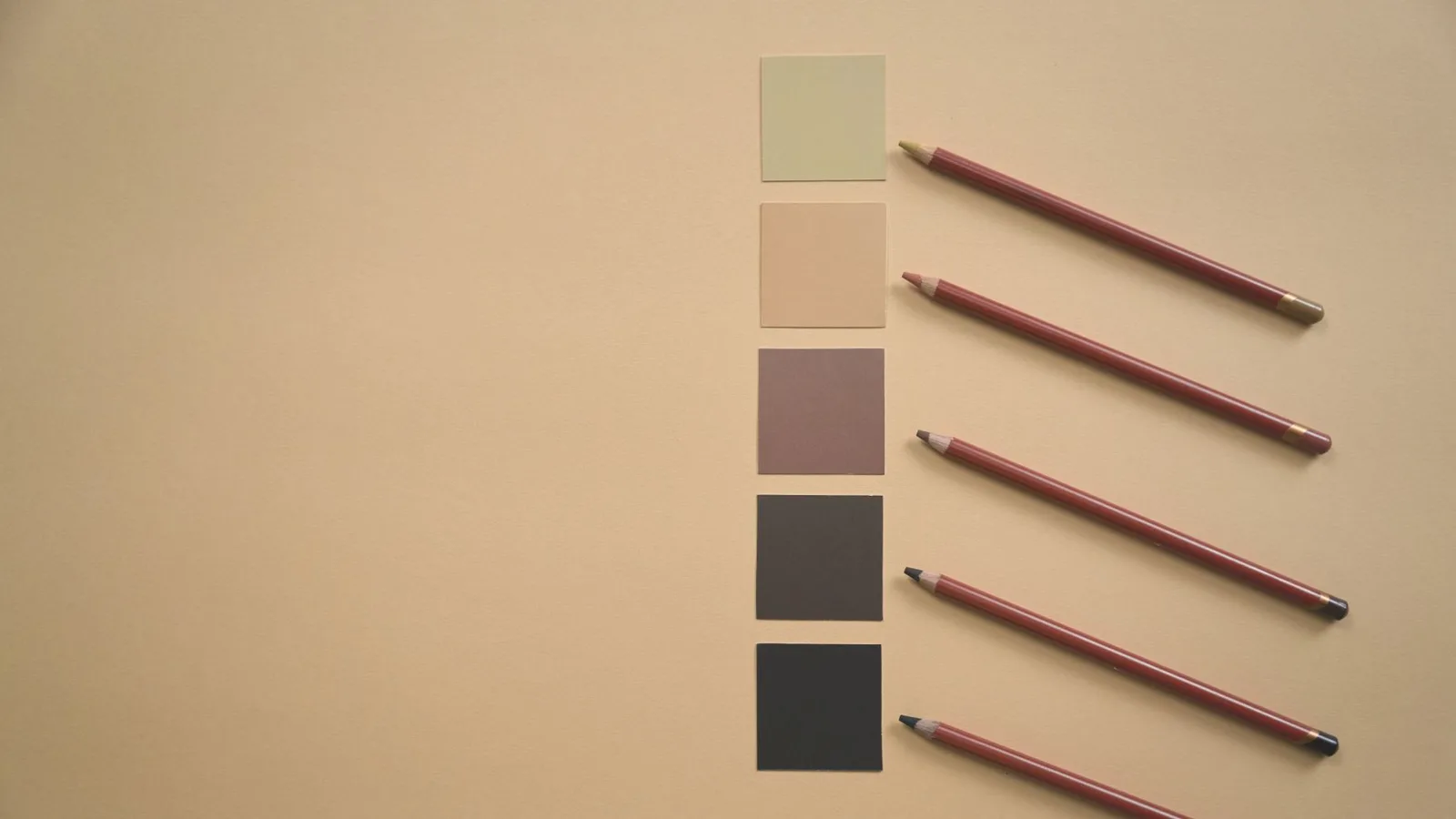
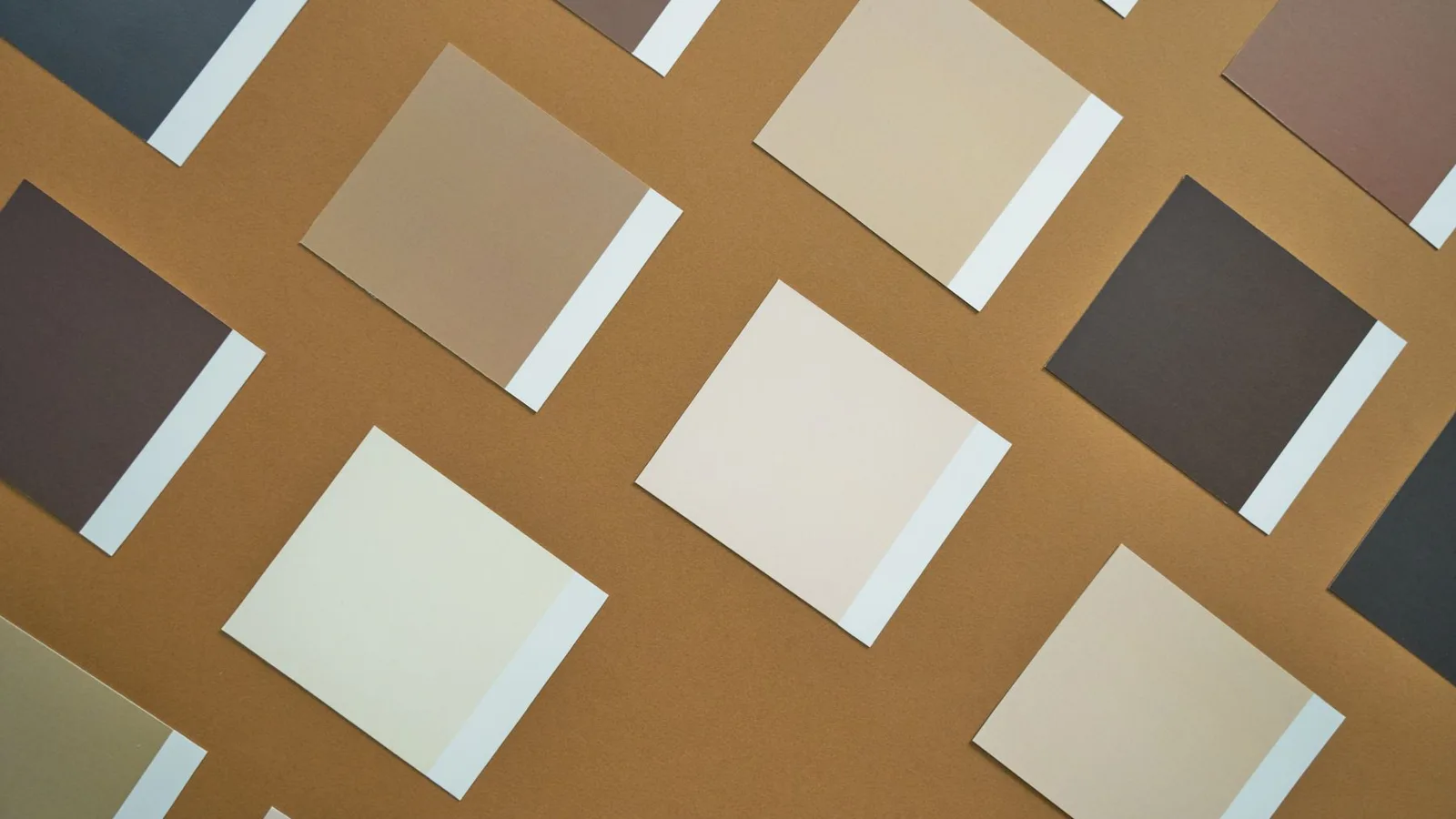
Chocolate brown, olive, rust, mustard, forest green, and a warm burgundy, worn at full saturation rather than a dusty or grayed-down version of the same hues. Gold jewelry over silver. Ivory or warm cream instead of stark white. A rich camel functions as this season's neutral the way navy does for a cool season.
A working outfit for Deep Autumn leans into that richness rather than softening it: a chocolate brown wool coat, an olive knit, and rust-colored trousers reads as considered here in a way it would not for a lighter or softer season, because none of the three colors is fighting the depth the coloring already has. The mistake to avoid is reaching for camel and cream as a “safe,” toned-down version of the palette and stopping there. Those two colors work as Deep Autumn’s neutrals, not as the whole outfit; without at least one full-depth color, olive, rust, or a true forest green, the look reads as washed out rather than considered, the exact opposite of what the season is built to do.
Dressing Deep Winter
Deep Winter is the richest member of the cool family, and it is the season most likely to be underdressed by someone who assumes “winter” automatically means icy and pale. It does not. Deep Winter shares Deep Autumn’s saturation, just built on a blue-based rather than gold-based foundation.
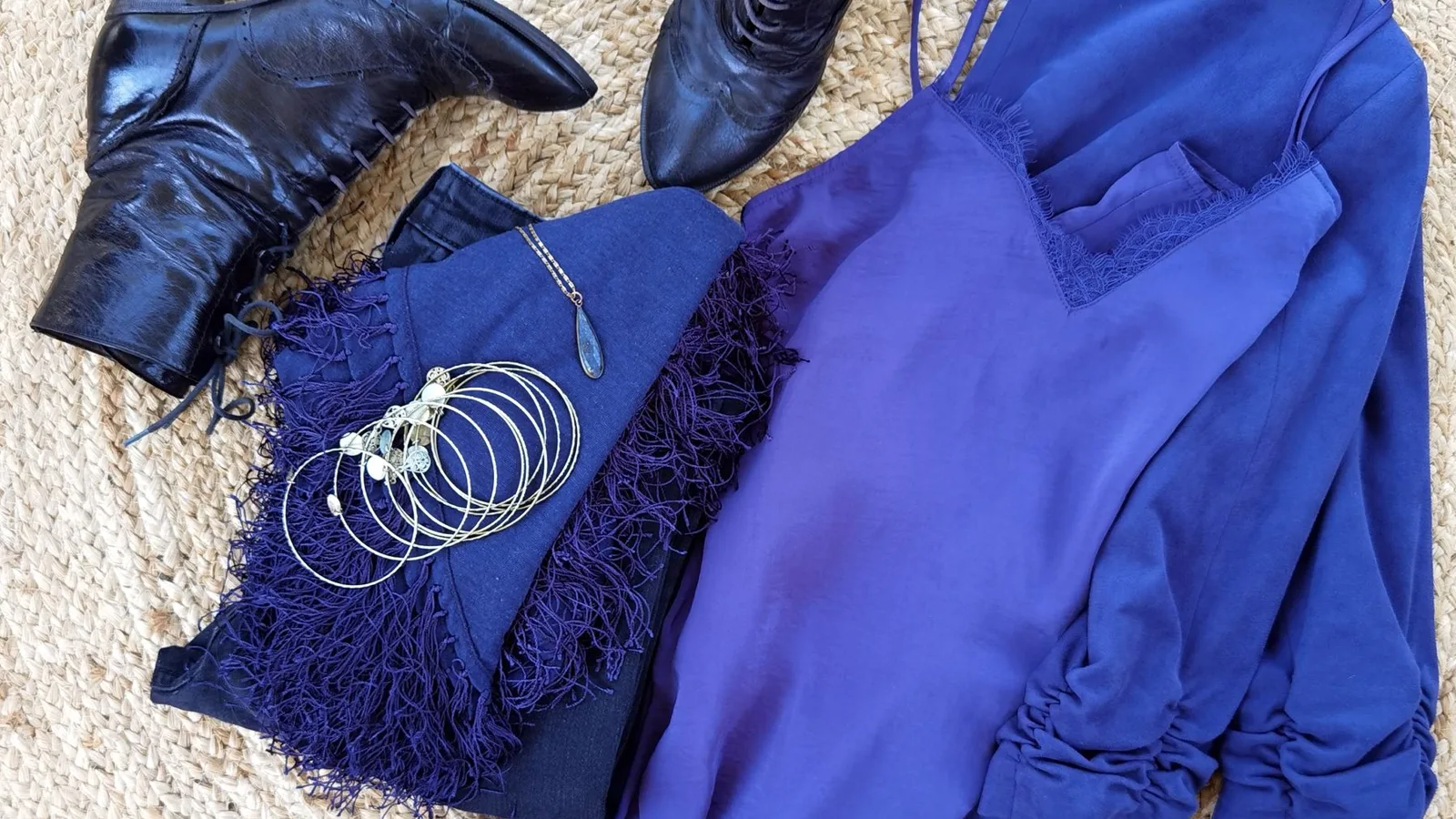
True black, charcoal, emerald, sapphire, a cool burgundy, and true white used sparingly rather than as a base. Silver jewelry over gold. A jewel-toned accent, emerald or sapphire, does more for this season than a pastel ever will, because pastels sit at the wrong depth entirely, not just the wrong temperature.
An outfit built for Deep Winter can genuinely carry more contrast than most seasons can, a black coat over a true white shirt, finished with one saturated jewel tone, without tipping into looking harsh, because the coloring underneath is already working at that same intensity. The version of Deep Winter that reads as flat rather than striking is usually the one built entirely from black and gray with no jewel tone at all: technically correct on temperature, but missing the depth and richness that is the actual point of the season, not just its color family.
Telling the two apart when you are not sure
Because both seasons share the same depth, the fastest way to separate them is to isolate temperature and ignore depth entirely, since depth is already confirmed for both.
Hold a rich, warm rust and a rich, cool sapphire against your face in natural light, both at similar full saturation. If the rust makes your skin look brighter and more lit, that points to Deep Autumn. If the sapphire does that job instead and the rust looks slightly muddy by comparison, that points to Deep Winter. Depth is not the question here, since both already share it; temperature is the only variable that still needs deciding.
This is the same logic the undertone tests run more generally, just applied at full saturation instead of a pale swatch, which matters: a stark white-versus-ivory test can read ambiguous on some skin, but a rich rust-versus-sapphire test tends to resolve clearly, because a deep season’s coloring is built to be flattered by exactly that intensity of color.
The mistake that undoes both palettes
The single most common mistake with either deep season is reaching for a paler, “safer” version of the palette instead of the full-depth one. A muted olive instead of a true forest green, a dusty burgundy instead of a saturated one, a light gray instead of true black: each substitution feels like a reasonable compromise, but it actually fights the coloring instead of flattering it. Depth is not a suggestion for these two seasons, it is the entire mechanism that makes the palette work, the same way proportion is the entire mechanism behind any color pairing regardless of season. A pastel or a muted shade is not wrong to own, it just needs to stay in a small supporting role, a thin scarf or a single accessory, rather than carrying an outfit on its own.
Checking the final look
Knowing you are Deep Autumn or Deep Winter narrows the palette; it does not replace the mirror. The final check is the same one that matters for any color decision: does the outfit make your skin look brighter and more awake at that same rich intensity, or does it sit there technically on-season while reading flat and tired instead.
This is exactly the check Aurea is built to run. Photograph the finished outfit, and it scores color harmony, fit and proportion, and occasion match in about thirty seconds, the same read whether the question is a full season’s palette, a single jewel-toned accent, or a neutral base. It will not run your color analysis for you, but it will tell you honestly whether the depth and temperature you chose are actually working before you leave the house.
Questions, answered
What is the actual difference between Deep Autumn and Deep Winter?
Temperature. Both sit at the deep, high-contrast end of the twelve-season system, but Deep Autumn is warm, built on gold, olive, and rust, while Deep Winter is cool, built on blue-based jewel tones and true black and white. Depth is what they share, not undertone.
Can someone be both deep and soft, or deep and bright at once?
No, not in the twelve-season system. Depth, temperature, and contrast are three separate readings, and each season is one specific combination of all three, so Deep Autumn and Soft Autumn share a warm temperature but sit at opposite ends of the contrast axis, not two versions of the same season.
Do Deep Autumn and Deep Winter have to avoid pastels completely?
Not completely, but a pastel needs to stay small and get paired with at least one full-depth piece from the season's actual palette, otherwise it flattens the exact richness that makes a deep season work. A pale blush scarf can work for Deep Winter; a pale blush dress on its own usually will not.
How do I check whether I am Deep Autumn or Deep Winter without a professional analysis?
Confirm depth first: in natural light with no makeup, does your overall coloring read as noticeably rich and saturated rather than light or muted. Then confirm temperature with the vein or jewelry test. Rich plus warm points to Deep Autumn; rich plus cool points to Deep Winter.