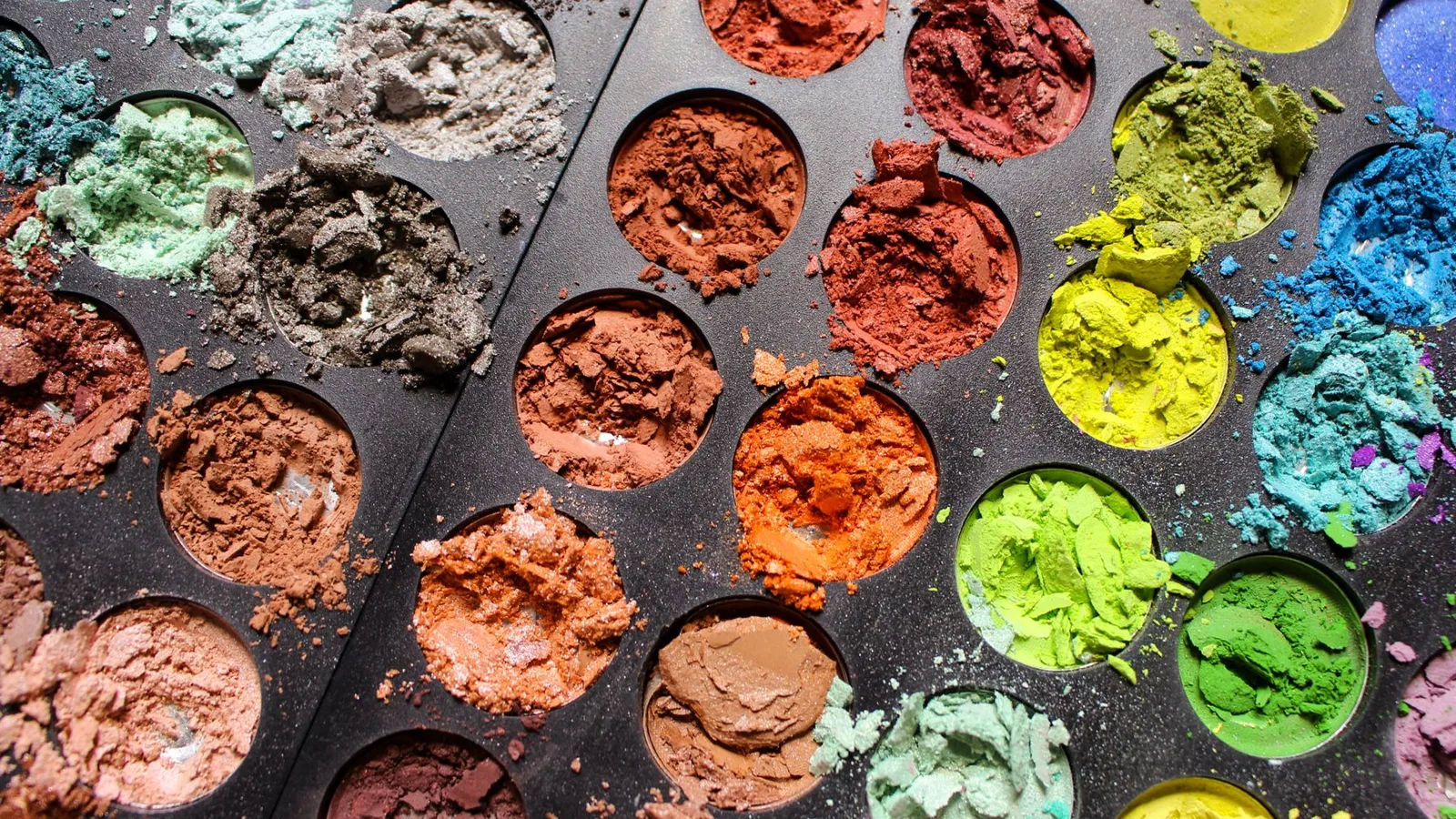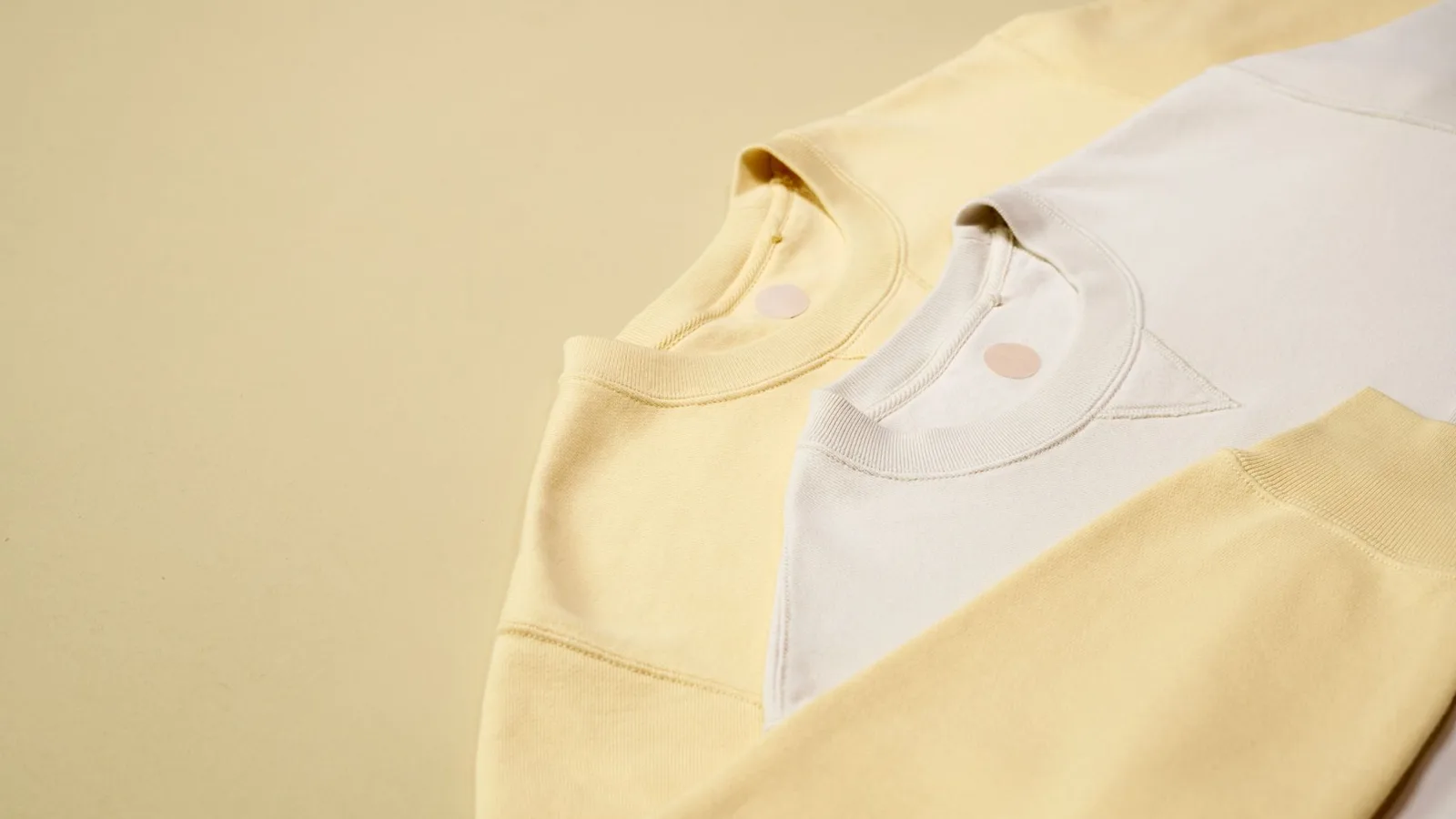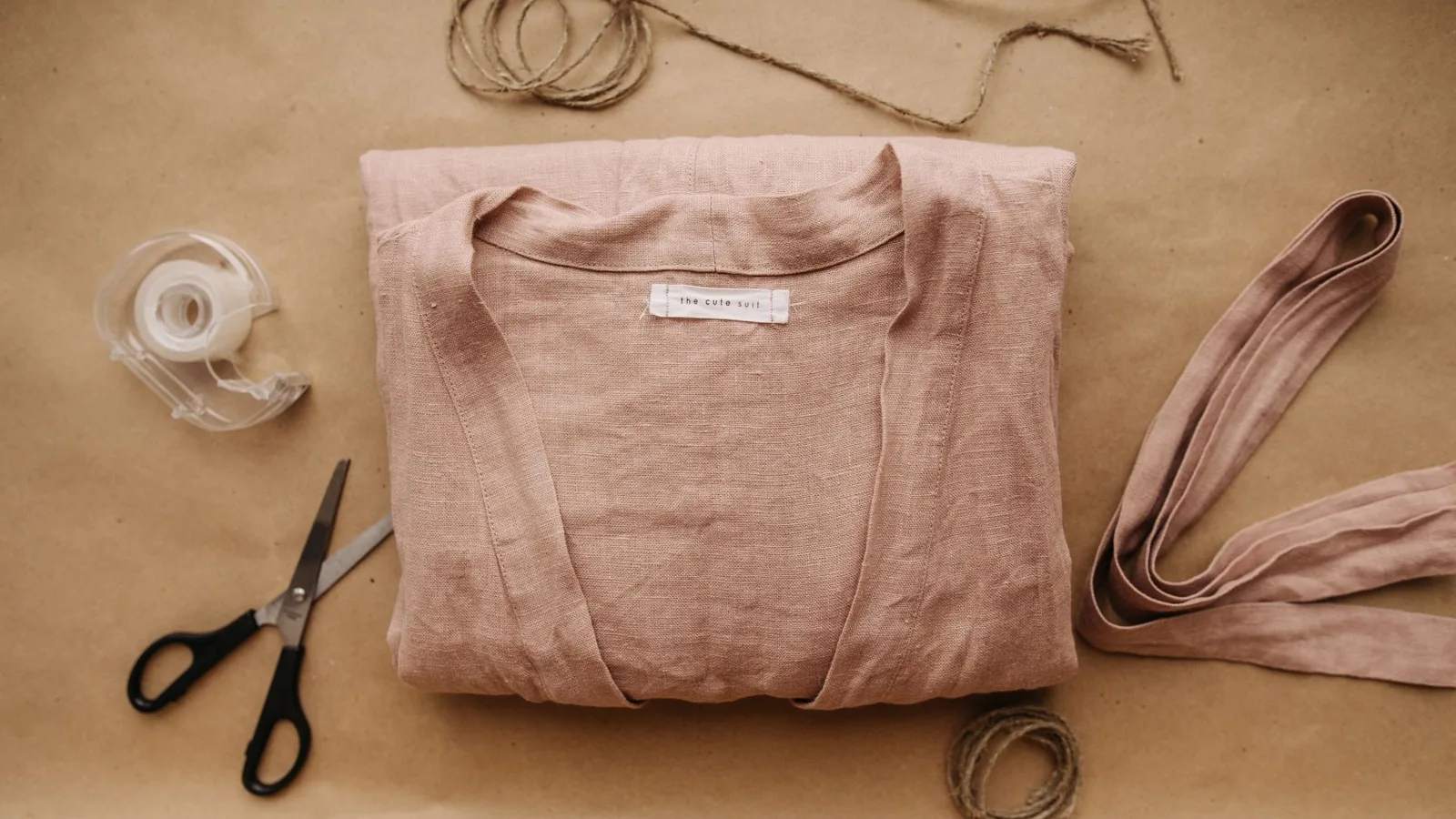
Soft Autumn is the quiet member of the autumn family. It is warm, but nothing about it is loud: the colors are muted, slightly dusty, and blended, like a landscape seen through light haze. That makes it one of the easiest palettes to wear well once you know what it is, and one of the easiest to get wrong if you read “autumn” as “bright orange and burgundy.”
This guide covers what defines Soft Autumn, the colors and neutrals that make up the palette, how to tell it from its two closest neighbors, and five outfit formulas you can build from it. If you are still working out your season, how the twelve seasons are built explains the three axes, and the at-home color season test walks you through checking for yourself.
What defines Soft Autumn
Every season is a combination of temperature, depth, and contrast or clarity. Soft Autumn is warm in temperature, medium in depth, and low in contrast and clarity. In plain terms, the hair, skin, and eyes tend to blend into each other rather than stand apart, and the whole picture reads as gentle and earthy instead of sharp.
That last trait is what the word “soft” is pointing at. A soft coloring is flattered by colors that have a little gray or brown mixed into them. The same hue at full strength starts to compete with the face. A vivid tomato red can overpower a Soft Autumn, while a muted brick red looks like it belongs.
Warm undertone, medium depth, low contrast. Choose colors that look slightly dusty, slightly golden, and slightly blended. If a color looks neon, icy, or stark, it is the wrong one.
The Soft Autumn palette
Think of the palette in three groups: neutrals that carry most of the outfit, mid-tones that give it character, and a few accents that keep it from going flat.
Camel, warm taupe, oatmeal, soft cream, khaki, mushroom with a warm cast, and dark chocolate in place of black. These do the heavy lifting, so buy the best quality here.
Moss, sage, muted olive, dusty teal, warm stone, soft terracotta, and muted rust. These are the colors that read as "autumn" without shouting it.
Dusty coral, salmon, muted mustard, soft peach, antique gold, and a warm, slightly gray plum for evening. Use them in small doses, a scarf, a bag, a knit under a coat.
The pattern to hold onto: every color has a hint of brown, gold, or gray in it. When you are in a shop and unsure, ask whether the color looks like it has been warmed by sunlight or washed by it. If it looks scrubbed clean and crisp, leave it.
How to tell Soft Autumn from its neighbors
Soft Autumn shares one trait with each of two other seasons, and most confusion comes from mixing those up.
Versus Soft Summer. Both are muted and medium, so the difference is temperature alone. Soft Summer is cool: slate blue, rose, and cool gray taupe. Soft Autumn is warm: olive, camel, and terracotta. A quick check is to hold a dusty rose and a muted peach to your face. If the peach looks healthier, you are likely Soft Autumn. The Soft Summer versus Soft Autumn capsule comparison shows both palettes built into wardrobes side by side.
Versus Warm Autumn. Both are warm, so the difference is clarity. Warm Autumn handles rich, saturated shades like a true rust or a deep pumpkin. Soft Autumn looks better one step down, in the dustier version of the same hue. If you try a saturated rust and a muted terracotta and the second one is clearly kinder, you are on the soft side.
Versus Deep Autumn. Deep Autumn shares the warmth but has more depth and contrast, and it is built to carry full-strength chocolate, forest green, and mustard. On a Soft Autumn those same colors can sit heavy. If you want the richer version, pull it back by one shade lighter and one notch dustier.
Five Soft Autumn outfits
These are formulas, so swap in what you own. The rule inside each is the same: keep the neutrals and mid-tones close together in depth, and let texture do the work that contrast would do for another season.
Oatmeal fine-knit sweater, warm taupe trousers, tan leather loafers, small gold hoops. Three neutrals in nearly the same depth, so the outfit looks calm and expensive. Add a moss scarf if it feels too quiet.
Soft cream blouse, camel blazer, olive straight-leg trousers, brown belt and bag. The camel and olive sit next to each other in the color wheel, so they blend instead of clashing, and cream keeps the face area bright.
Khaki straight jeans or chinos, a mushroom-toned crewneck, a muted rust overshirt worn open, cream sneakers. The rust is the only mid-tone, which keeps casual clothes from feeling busy.
Dusty teal slip dress or skirt with a warm taupe knit over it, antique gold jewelry, brown suede boots or flats. Teal is the cool-leaning edge of this palette, so keep it dusty and keep the metals gold.
A warm gray-plum dress or a deep olive satin skirt with a cream top, gold earrings, and a chocolate clutch. This is the closest Soft Autumn gets to dramatic: depth comes from the fabric's sheen rather than from black.
What to do about black, white, and pattern
Black. Black is the hardest color for this season to wear near the face, since its contrast is higher than the coloring can match. Swap in dark chocolate, deep olive, or charcoal brown for coats, trousers, and boots. Black in a bag or shoes, away from the face, is fine.
White. Stark optical white tends to look cold and can make the skin look slightly dull. Soft cream, ecru, and warm ivory give the same freshness without the chill.
Pattern. Choose prints whose colors are close in value: a tortoiseshell-toned animal print, a muted plaid in olive and camel, a small paisley in rust and sage. Strong black-on-white contrast prints are the ones to skip, since they push contrast to a level your coloring does not echo.
Shopping without second-guessing
Color season advice gets stuck when it turns into a rulebook, so use it as a filter instead. Before you buy, hold the item near your face in daylight and ask two questions: does it look warm, and does it look softened rather than sharp? If both answers are yes, it is worth trying on. If you are building a whole wardrobe around the palette, picking three anchor colors from it keeps the pieces working together, and the proportion rules in color harmony still apply inside the palette.
A final note on fabric. Because Soft Autumn is about blended, low-contrast color, texture is its best tool. Brushed wool, suede, corduroy, linen, and matte knits all absorb light the way the palette does. Shiny, stiff, or very crisp synthetics can fight the softness even when the color is exactly right.
Checking the final look
A palette gets you to the right shelf, and the mirror still has the last word. Put the outfit on, stand by a window, and look at the color closest to your face: does the skin look warm and even, or does it look gray or yellow? Aurea can run that check on a full outfit. Photograph it and it scores color harmony, fit and proportion, and occasion match in about thirty seconds, so you can see whether the muted colors are working together before you leave the house.
Questions, answered
What is the difference between Soft Autumn and Soft Summer?
Temperature. Both are muted and medium in depth, but Soft Autumn leans warm, so olive, camel, and terracotta suit it, while Soft Summer leans cool, so slate, mushroom, and dusty rose suit it. If gold jewelry flatters you more than silver, you are probably on the autumn side.
Can Soft Autumn wear black?
Usually not as a main color near the face. Black is higher in contrast than this coloring, so it can make the face look tired. Dark chocolate, deep olive, or charcoal brown give you the same grounding effect with less force, and black works fine in shoes or a bag.
Can Soft Autumn wear bright colors?
Yes, in the muted version of them. Think a dusty coral instead of a vivid red, or a sage green instead of a kelly green. A bright shade works best as a small accent, a scarf or a bag, rather than a full outfit.
Which jewelry metal suits Soft Autumn?
Warm metals: yellow gold, brushed gold, and antique brass, with bronze and copper as good extras. Polished silver can look cold against this palette, though a soft matte or warm-toned silver is a workable second choice.
What if I look good in both Soft Autumn and Warm Autumn colors?
That is normal, since the two share a warm temperature. Choose by clarity: if rich, saturated shades like a true rust look best, lean Warm Autumn, and if softer, dustier shades look better, lean Soft Autumn. Wearing a week of each near your face settles it.