Spring is the season that makes liars of weather apps. It can start at 6 degrees and end at 22 in the same day, and the wardrobe that copes with that is not a smaller version of winter or a longer version of summer. It is a layering system built around one good jacket, with tops light enough to stand alone by lunchtime.
This is the working version for the northern spring ahead and for the southern hemisphere’s changeable weeks between cold mornings and proper warmth: an eleven-piece capsule, the arithmetic behind its outfit count, and the swap list for getting there from the wardrobe you already have.
What a spring capsule has to solve
A summer capsule is a comfort problem. A winter capsule is a warmth problem. A spring capsule is a temperature range problem, and that changes what you buy.
- Removability. Every layer has to come off easily and be carried without becoming a burden. A bulky wool coat fails this test in March. A light jacket that folds over a bag strap passes it.
- Tops that work alone and under things. A top that only looks good under a jumper is useless at 2pm. Each top needs to be presentable by itself.
- Rain readiness. Spring is often wet. At least one layer should tolerate a shower, or you will find yourself cancelling plans around the forecast.
If you want the general method first, the 12-piece capsule worked out on this site shows the core arithmetic for a three-season wardrobe. The spring version below shifts the weight onto layers.
The eleven pieces
4 tops: a plain white tee, a striped long-sleeve tee, a crisp poplin or oxford shirt, and a lightweight fine-knit sweater. 3 bottoms: mid-wash straight jeans, stone or cream tailored trousers, and a midi skirt. 2 dresses: a casual shirt dress or jersey dress, and a slightly dressier one in a fabric that holds its shape. 2 layers: a light jacket (trench, chore jacket, or unlined bomber) and a cotton or fine-gauge cardigan. Shoes are counted separately: white leather sneakers, loafers or ballet flats, and a low ankle boot that tolerates puddles.
A few notes on why those pieces.
The light jacket is the centre of the whole thing. It is the piece you wear most days between March and May, so buy the best one you can reasonably afford, in a neutral that works with every other item. A trench in stone or khaki is the classic answer, but a cotton chore jacket in navy or olive does the same job with less formality.
The cardigan is the second layer, not a duplicate. The jacket handles wind and rain. The cardigan handles the office, the restaurant, and the evening when the jacket feels like too much. Keeping them different is what gives you real range.
Four tops, in four different temperatures. The tee is for warm afternoons, the striped long-sleeve for the in-between, the shirt for anywhere that wants some structure, and the fine-knit sweater for the mornings that still feel like winter. The sweater should be thin enough to wear under the jacket without bunching.
Two dresses, because spring has events. Weddings, brunches, and Easter lunches all show up in this season. A casual dress and a dressier one cover the range, and both work with either layer.
The math: how eleven pieces become 42 outfits
Start with the separates. Four tops against three bottoms gives 12 base pairings.
Each pairing can be worn three ways in spring: on its own, with the cardigan, or with the jacket. That takes 12 to 36.
The dresses work the same way without the pairing step. Two dresses, each worn on their own, with the cardigan, or with the jacket, adds 6 more.
36 plus 6 is 42 outfits from eleven pieces, before shoes change anything. This count deliberately leaves out wearing the cardigan and the jacket together, which would push it higher on the coldest days, so treat 42 as a conservative ceiling rather than a stretch.
Like any capsule count, it is not a promise that you will wear 42 distinct outfits. Most people settle on ten or twelve combinations they love. The point of the arithmetic is that no piece is stranded: everything pairs with everything else, so a gap in your week never means “nothing to wear.”
Choosing the palette
The 42 only holds if the colors cooperate. If one top clashes with two of the three bottoms, the 12 pairings quietly shrink to 8, and the layers stop working with half your outfits.
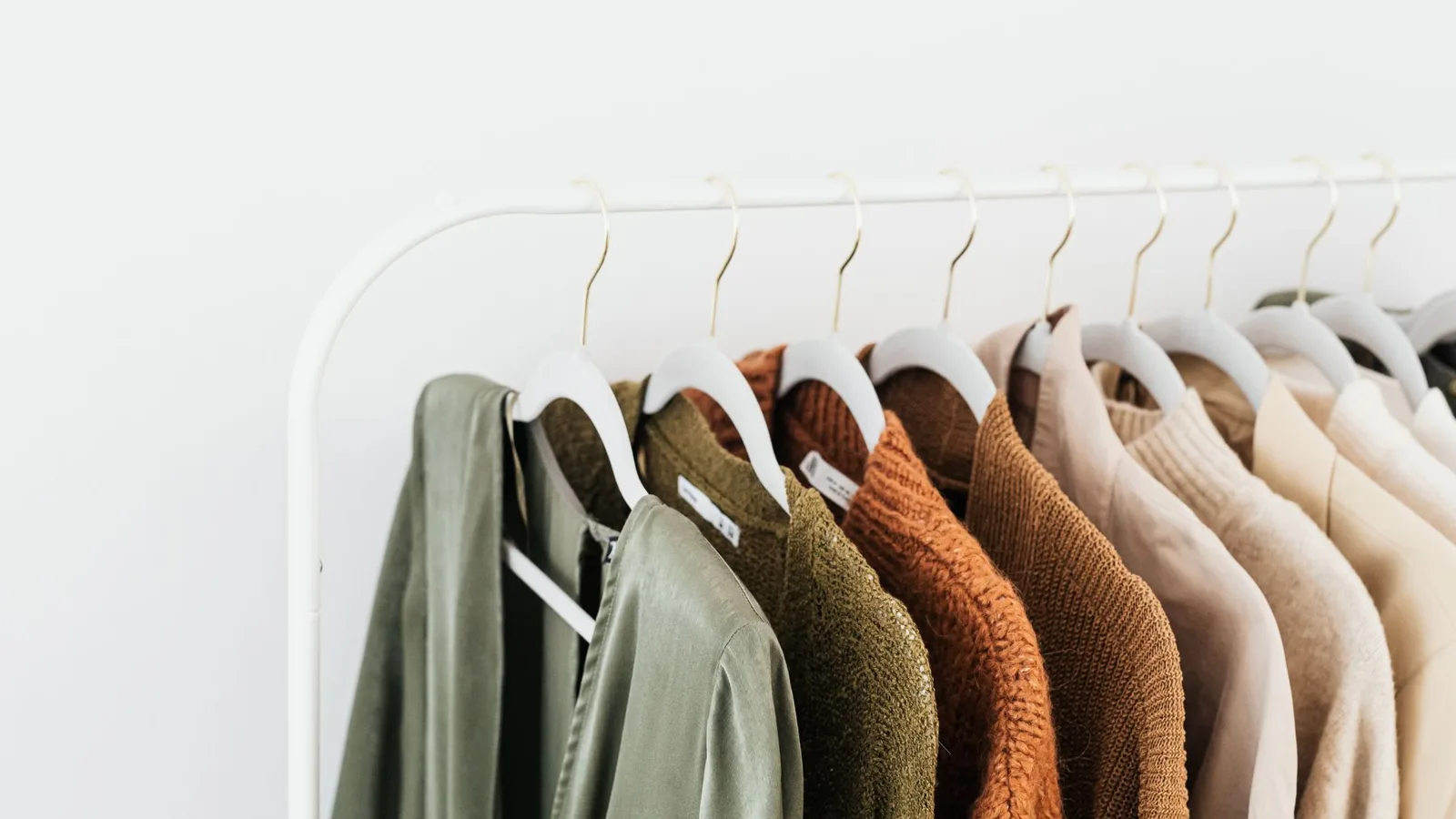
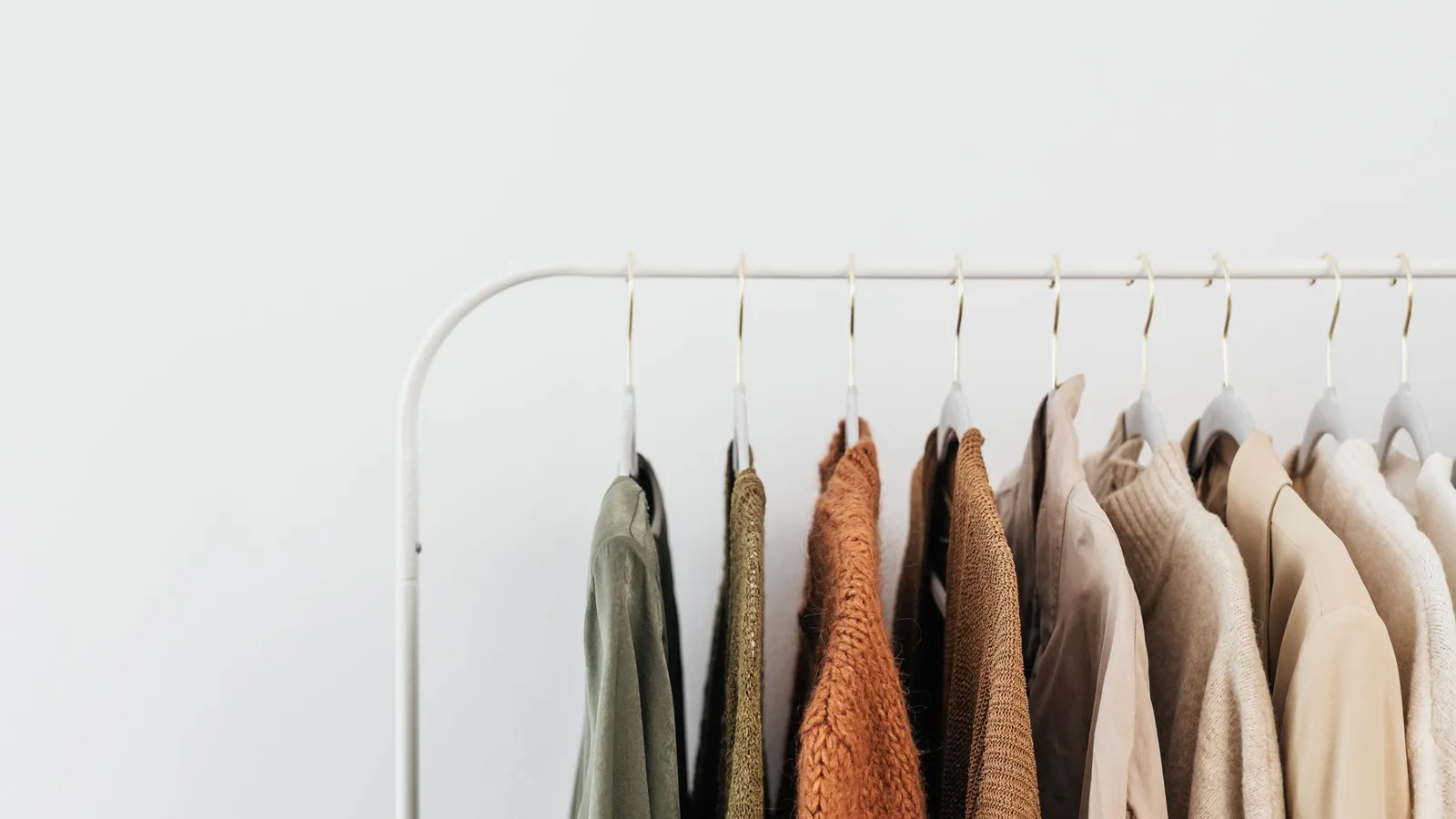
Two soft neutrals (cream or ivory, plus stone or oatmeal), one deeper anchor (navy, olive, or deep denim blue), and one fresh accent used on two or three pieces only, such as sage, butter yellow, or a clear sky blue.
Spring palettes look best a little lighter than winter ones without tipping into washed out. The deeper anchor is where you put the jeans, the trousers, or the cardigan, so the whole capsule keeps some weight. If you are unsure which accent flatters you, building a capsule around three core colors walks through how to choose them so every piece earns its place.
The swap list: from winter to spring
You rarely need to start over. Most of a winter wardrobe carries into spring with a handful of changes.
Keep: the jeans, the neutral tailored trousers, fine-gauge knits, and any leather loafers or sneakers.
Retire until autumn: the heavy coat, chunky scarves, thick wool jumpers, and the insulated boots. The winter capsule swap list covers what to put away and how to store it.
Add: the light jacket, a cotton cardigan, two or three tops in lighter fabrics, and a pair of shoes that tolerates damp pavement.
That is usually four to six purchases rather than a whole new wardrobe, and the jacket is the only one worth a real budget.
Worked example: one changeable week
Monday, cold start, office: the poplin shirt, stone trousers, loafers, and the cardigan on top. The jacket goes over both for the walk in and comes off at your desk.
Tuesday, rain forecast: the striped long-sleeve tee, straight jeans, ankle boots, and the jacket buttoned up, no cardigan needed.
Wednesday, a warm afternoon after a cool morning: the white tee, the midi skirt, and white sneakers, with the cardigan tied or carried for the evening.
Thursday, dinner out: the dressier dress, the cardigan across the shoulders, and the loafers or flats, a completely different register from Tuesday using two of the same layers.
Saturday, errands and a long walk: the fine-knit sweater, jeans, sneakers, and the jacket tied round the waist when the sun comes out.
Five very different days, none repeating an outfit, all from the same eleven-piece base.
What to skip
Skip buying a second jacket before you have worn the first through a full month of spring weather. Skip anything that only works as a heavy layer, because spring mornings are cold but the afternoons rarely are. Skip white shoes you are afraid to wear in the rain, since spring is exactly when you will be caught out. And if you find yourself wanting a thick coat again, you are shopping for a different season: the transitional dressing guide covers days that swing hard in either direction, and the summer version of this capsule is waiting for you when the weather settles.
Checking the final outfit
The arithmetic gets you a capsule that works on paper. The last check is whether a specific outfit works on you, in the light and weather you will actually wear it in. Photograph it before you leave the house and Aurea will score the color harmony, proportion, and occasion match, and name the one adjustment most worth making. It is the fastest way to find the ten or twelve combinations from your 42 that you will actually wear all spring.
Questions, answered
How many pieces does a spring capsule wardrobe need?
Eleven is a workable number: four tops, three bottoms, two dresses, and two layers, with shoes counted separately. Spring leans on layers more than any other season, so the two layer slots are the ones to spend carefully.
What is the single most important spring piece?
A light jacket you genuinely like, such as a trench, a cotton chore jacket, or an unlined bomber. It works over every top and dress in the capsule, so it multiplies your outfit count more than any other piece.
Can I build a spring capsule from my winter wardrobe?
Mostly, yes. Keep the fine knits, the jeans, and the neutral trousers, retire the heavy coat and chunky boots, and add the lighter layers and tops that the swap list below describes.
What colors work best for a spring capsule?
Two soft neutrals such as cream and stone, one deeper anchor like navy or olive, and one fresh accent used on two or three pieces. Spring palettes usually look best when they are lighter than winter without being washed out.