Summer is the season where a capsule is easiest to build and easiest to get wrong. Easiest, because the pieces are simple: there is no coat to budget for, no boots, nothing bulky. Wrong, because heat punishes every compromise. A top that was merely fine in spring becomes the one you avoid in January in Sydney or July in Madrid, and a wardrobe of ten “fine” pieces quietly shrinks to the three you actually reach for.
This is the working version for the southern hemisphere heading into its warm months and the northern one planning its next summer holiday: a ten-piece capsule, the arithmetic behind its outfit count, and the specific choices that keep it comfortable when it is properly hot.
What a summer capsule has to solve
A winter capsule is mostly a layering problem. A summer capsule is a comfort problem with a smaller layering problem folded in. Three things have to work at once:
- Heat tolerance. Every piece has to be something you are willing to put on when the day is already warm at nine in the morning.
- Range. The same pieces need to cover a beach lunch, an office with aggressive air conditioning, and an evening out, without a fourth wardrobe for any of them.
- Washability. Summer clothes get worn hard and washed often. Anything that needs ironing every time or that holds on to sweat is a piece you will stop wearing by February.
If you want the general method first, the 12-piece capsule worked out on this site shows the core arithmetic for a three-season wardrobe. The summer version below swaps its structure for lighter fabrics and trades the second layer for a second dress.
The ten pieces
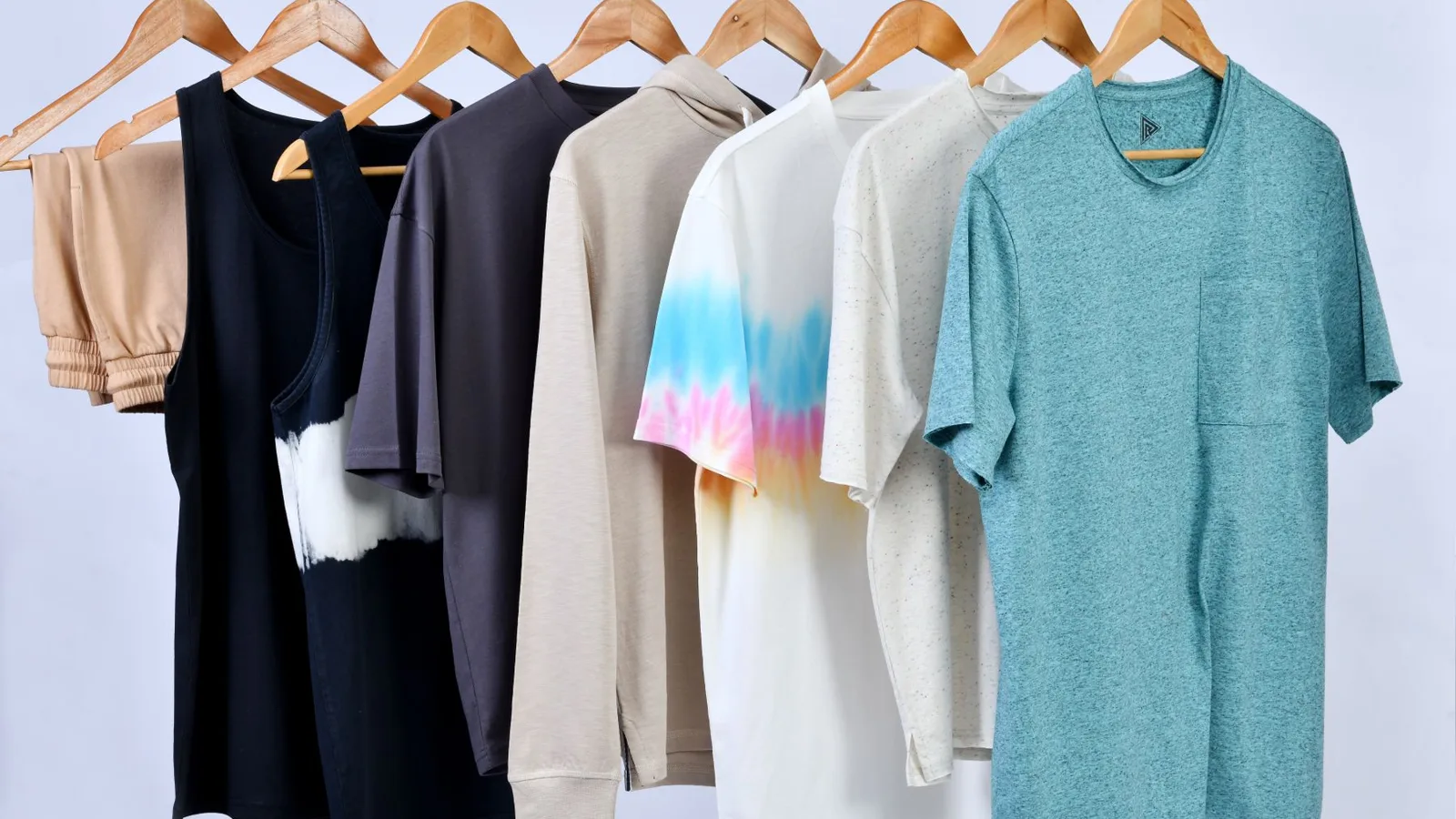
4 tops: a plain white tee, a fine-knit tank, a linen-blend short-sleeve shirt, and a dressier silky shell. 3 bottoms: tailored shorts, lightweight linen-blend trousers, and a midi skirt. 2 dresses: a casual cotton or jersey day dress and a slightly dressier one that holds a shape. 1 layer: an unstructured overshirt or light cardigan. Shoes are counted separately: flat leather sandals, clean low sneakers, and one dressier sandal or espadrille.
A few notes on why those pieces, rather than the generic list you will find elsewhere.
Four tops, in four different jobs. The tee is the base for everything casual. The tank handles the hottest days and layers under the overshirt. The linen-blend shirt is your sun cover and your “slightly more put together” option. The silky shell is the one piece that moves the whole capsule toward dinner, and it is worth buying in a fabric that drapes rather than clings.
Three bottoms with different formality. Shorts for the heat, trousers for anywhere that expects legs covered, and the midi skirt for the middle ground. If you only buy one pair of trousers, make them a loose, lightweight cut rather than a close-fitting one, since the point is airflow.
Two dresses, not one. In summer a dress is the lowest-effort outfit there is, and it is the piece people reach for first. Having two, one casual and one that can go to dinner, is what stops the capsule from collapsing into the same dress every third day.
One layer. A summer layer is not warmth, it is cover: for air conditioning, for sun, for a breezy evening. An unstructured overshirt worn open over a tee or tank, or a light cotton cardigan, does all of that.
The math: how ten pieces become 28 outfits
Start with the separates. Four tops against three bottoms gives 12 base pairings. Each of those can be worn two ways: on its own, or with the layer over it. That doubles the count to 24.
The dresses work the same way, without the pairing step. Two dresses, each worn alone or with the layer, adds 4 more.
24 plus 4 is 28 outfits from ten pieces, before shoes or accessories change a single one of them. Shoes then move each outfit across the casual to dressy range. The same shorts and tee are a beach-town errand with the sneakers and a dinner outfit with the dressier sandal and the silky shell swapped in.
That count is the honest ceiling, not a promise that you will wear 28 distinct outfits. In practice you will find eight or ten combinations you love and rotate through them, which is the real purpose of a capsule: every piece pairing with every other piece means no item is stranded.
Choosing the palette
A summer capsule only multiplies like this if the colors cooperate. If one top clashes with two of the three bottoms, the 12 pairings quietly become 8. The fix is the same discipline as any other capsule, applied to a lighter palette.
Two light neutrals (white or ivory, plus stone, sand, or oatmeal), one deeper anchor (navy, olive, or chocolate), and one accent used on two or three pieces only, such as terracotta, sage, or a clear blue.
Light colors tend to be more comfortable in direct sun, and they photograph well in bright light. The deeper anchor stops the whole capsule reading as washed out, and it is where you put the trousers or the midi skirt. If you are not sure which accent suits you, building a capsule around three core colors walks through how to choose them so every piece earns its place.
Fabric: the unglamorous decision that matters most
Fabric decides whether a summer capsule is wearable in real heat, and it is where most people overspend on the wrong thing. A few opinionated rules:
- Prefer natural or blended fibers that move air. Cotton, linen, and linen-cotton blends are the usual choices. Pure linen creases heavily, so a blend often wears better if you do not want to iron.
- Be careful with fully synthetic fabrics in your tops. Many hold heat and odor more than cotton or linen do. A synthetic dress can be fine if it is loose and light, but test it in a warm room before trusting it.
- Check the weight, not just the fiber. A heavy linen can feel warmer than a thin cotton. Hold the piece up to a window: if you cannot see any light through it at all, it will probably be warm.
- Choose looser cuts for the pieces that touch your skin most. A looser tee or shirt will often be more comfortable than a clinging one, even in the same fabric.
None of this needs to be treated as a lab result. It is the practical filter for the shop floor, and the fastest way to stop buying summer clothes you will only wear on mild days.
Worked example: one week from the same ten pieces
Monday, office with strong air conditioning: the linen-blend shirt, lightweight trousers, flat sandals, and the overshirt open over the top for the cold room.
Tuesday, a hot commute: the fine-knit tank, tailored shorts, and clean sneakers, the layer left at home.
Wednesday, lunch out: the casual day dress and flat sandals, with the overshirt tied or carried for the restaurant’s air conditioning.
Thursday, an evening out: the silky shell with the midi skirt and the dressier sandal, which is a completely different outfit from Tuesday’s from just two swapped pieces.
Saturday, a weekend of errands: the white tee, shorts, sneakers, and the overshirt over the top for the walk home after dark.
Five very different days, with no repeated outfit and no piece worn twice in the same combination, from one ten-piece base.
What to skip
Skip buying a third dress before you have worn the first two through a heat wave. Skip anything that needs a bra, a slip, or a camisole underneath just to be opaque, since that is one more warm layer in the one season you are trying to avoid them. Skip heavy denim as a bottom, which is rarely comfortable at the temperatures this capsule is for; the lightweight trousers do that job better. And skip a second layer: if you find yourself wanting more warmth than one overshirt gives, you are shopping for a different season, and the winter swap list is the better guide for it.
Checking the final outfit
The arithmetic gets you a capsule that works on paper. The last check is whether a specific outfit works on you, in the real light and real heat you will wear it in. Photograph it before you leave the house, and Aurea will score the color harmony, proportion, and occasion match, and name the one adjustment most worth making. That is the fastest way to find the three or four combinations from your 28 that you will actually wear all summer.
Questions, answered
How many pieces does a summer capsule wardrobe need?
Ten is a workable number for a full summer at home or on a long holiday: four tops, three bottoms, two dresses, and one light layer, plus shoes counted separately. Go lower if you do laundry weekly and higher only if your summer has a formal event the base pieces cannot stretch to.
Do I need a layer at all in summer?
Yes, one. Air conditioning, evening breezes, and sun cover are all real, and a single unstructured overshirt or light cardigan also doubles your outfit count, which is the cheapest multiplication available in a summer wardrobe.
What colors work best for a summer capsule?
Light neutrals such as white, stone, and sand, plus one deeper anchor like navy or olive and one accent. Light colors are generally more comfortable in direct sun, and a tight palette is what lets every top work with every bottom.
Can the same capsule work for a summer holiday and for daily life?
Largely, yes. Swap in a second pair of sandals and one dressier top for the holiday dinners, and the same ten pieces handle both. The capsule is the structure, and the accessories are where the trip-specific changes live.