Job postings and interview invitations almost never tell you what to wear. “Business casual” and “business professional” get used interchangeably by recruiters who mean two different things, and the wrong guess in either direction costs you something: overdress for a casual office and you can read as stiff or out of touch with the culture; underdress for a formal one and you can read as not having taken the interview seriously before you have said a word. This piece decodes both terms properly, gives you three formulas that work for real interviews, and walks through how to pick the right one when the invitation gives you no clues at all.
Business casual and business professional, actually decoded
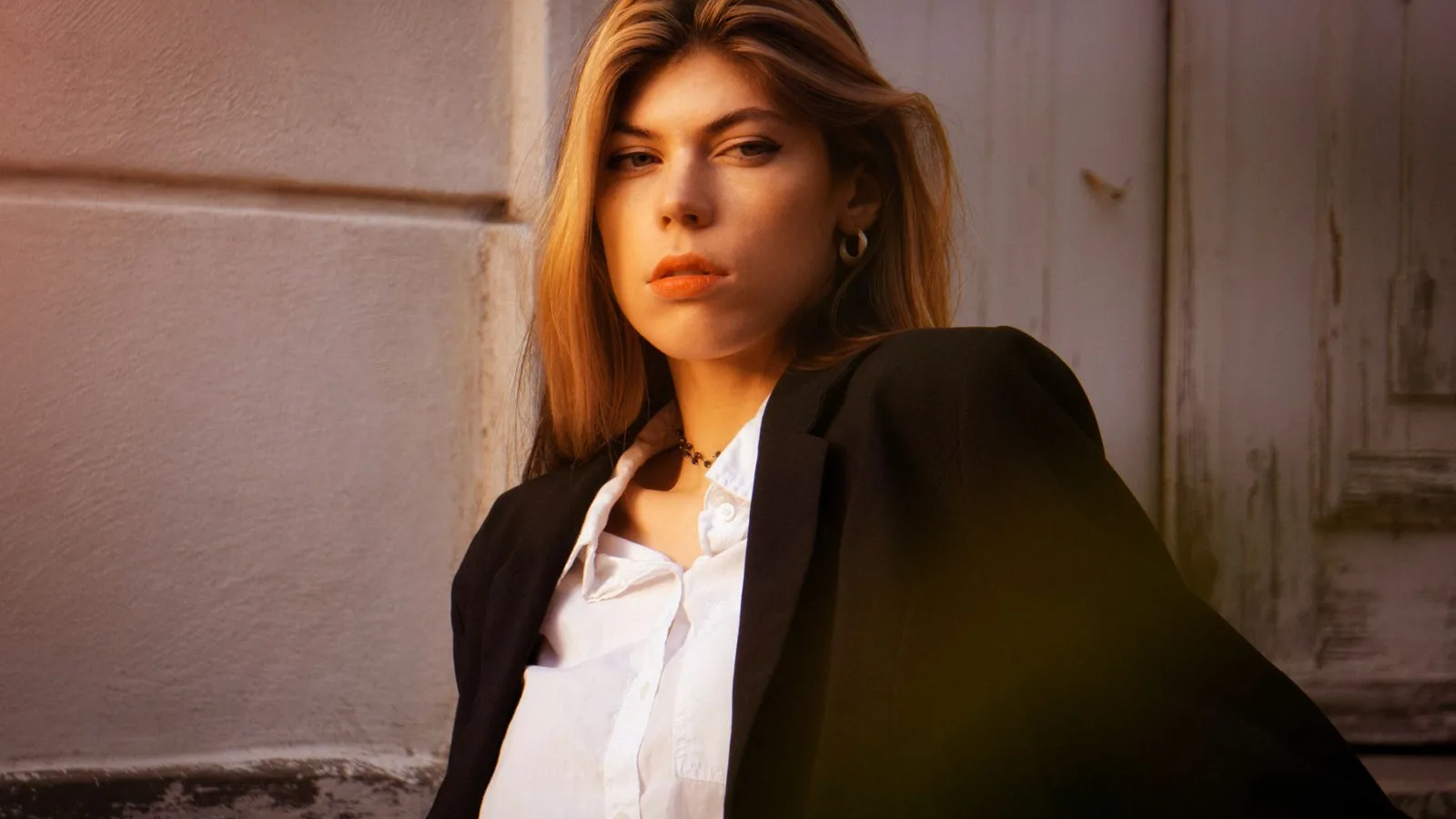
Business professional is the more formal of the two, built around a two-piece suit, a dress shirt, and neutral colors, black, navy, gray, or other natural tones, with bright or busy patterns generally left out. It is the safe default for finance, law, consulting, and any company with a traditionally corporate culture, and it is also the safest guess when you have no information at all about a company’s actual dress code.
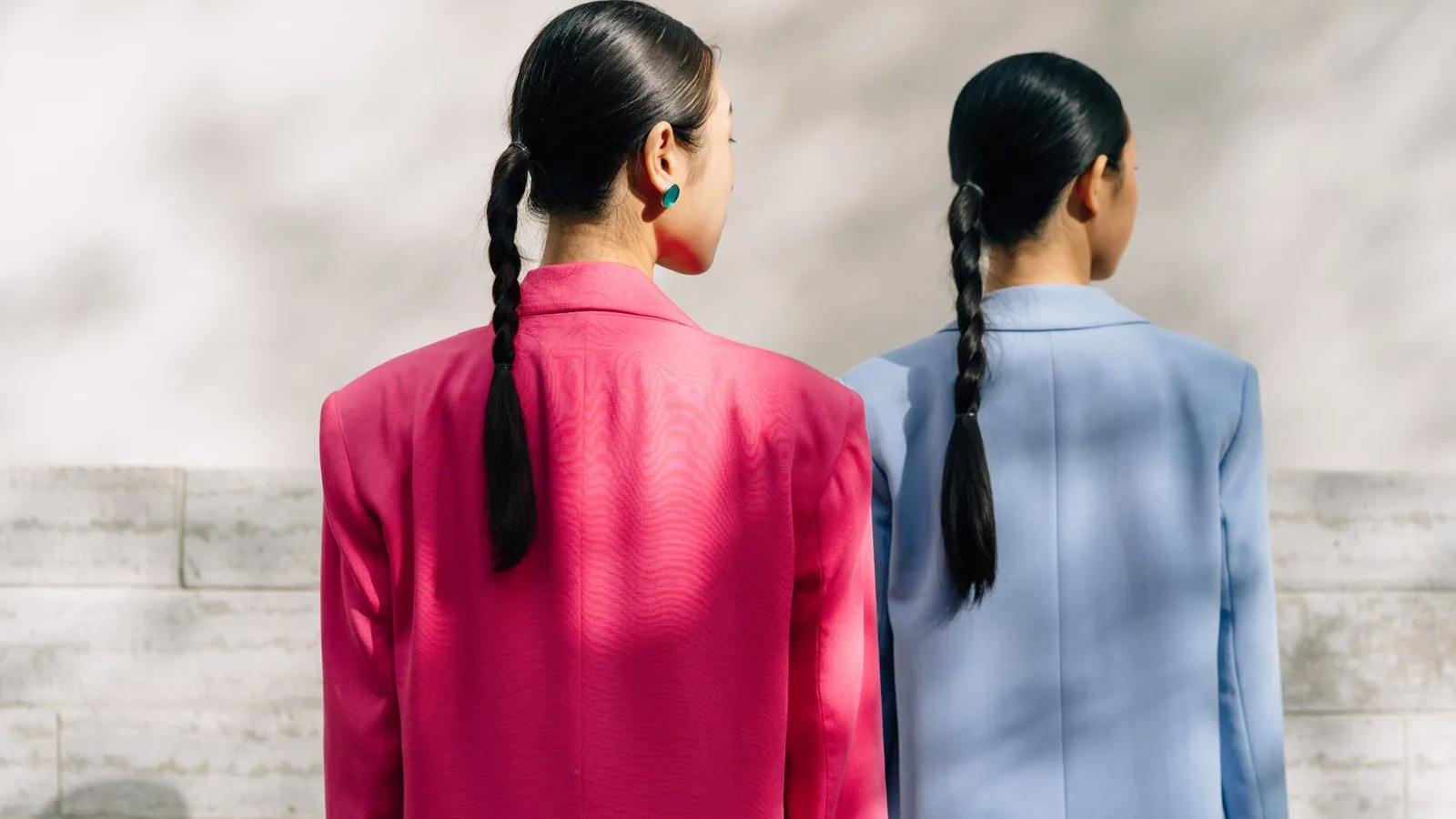
Business casual is a polished, relaxed version of the same idea: tailored trousers or a knee-length skirt, a button-down shirt or a fine knit, a blazer that does not have to match the trousers underneath it. Ties become optional rather than expected, and the color palette opens up to include a wider range beyond strict neutrals. It shows up most often in tech, creative industries, and hybrid corporate offices where a full suit would read as more formal than the role calls for.
The two categories are not opposites so much as points on the same scale, and that scale is exactly where most of the confusion comes from. A company can describe itself as “business casual” and still expect a blazer every day, or use the same phrase to mean pressed khakis and a polo shirt. The label alone will not tell you which version you are walking into, which is why the safer move is treating both terms as a starting formula to adjust, not a fixed uniform to copy exactly.
Three formulas for interview day
A navy or charcoal suit, a white or pale blue dress shirt, and leather shoes in black or a dark brown that matches your belt. Keep the tie, if you wear one, solid or narrowly patterned rather than bold. This is the correct default for finance, law, consulting, and any interview where you genuinely do not know the company's daily dress code.
Tailored trousers or a midi skirt, a crisp button-down or a fine merino knit, and a blazer in a color that does not have to match the trousers underneath it. Finish with clean leather loafers or minimal flats rather than sneakers. This is the right call for tech, creative roles, and hybrid offices where a full suit would overshoot the room.
When you genuinely cannot tell which of the two you are walking into, take the business casual formula above and add one business professional signal, a blazer that actually matches its trousers, or a tie if you are already wearing a collared shirt. It reads as intentional in either direction rather than as a guess.
How to figure out which one you actually need
The most reliable signal is the company itself, not the job title. Check the company’s own website and social presence for photos of the team at work, or look at how current employees describe the office on LinkedIn. A law firm’s About page photographed in suits is telling you something a casual team photo in sweaters is not. If a recruiter or hiring manager mentions the interview format directly, that description is worth more than any general rule, since it is specific to that company rather than to the industry it sits in.
When there is genuinely no signal either way, career guidance is consistent on the tiebreaker: plan to dress at least one level more formal than the company’s actual day-to-day dress code, since you are the one being evaluated against other candidates, not the one who already has the job. That rule holds even at companies where the daily office reality is closer to business casual or fully casual. Overdressing slightly for an interview reads as effort; underdressing reads as guessing, and the second impression is harder to walk back once you are in the room.
This is the same logic behind reading any dress code correctly, whether it is a smart casual dinner invitation or an interview: figure out the room before you decide the outfit, rather than picking an outfit and hoping the room matches it.
The one mistake to avoid
The single most common interview outfit mistake is mixing formality signals within the same look: a full suit jacket over sneakers, or a business casual blazer over a graphic tee. Each piece can be correct on its own and still undercut the whole outfit the moment it sits next to a piece from a different formality level. The fix is not to buy more clothes, it is to check every piece against the same target formality before you leave the house, the same discipline that keeps a color palette from reading as unresolved: one clear idea, not two competing ones stitched together.
Grooming and fit undo more interview outfits than color or cut ever does. A well-chosen suit in a size that is visibly too big or too small will read as less put together than a simpler outfit that actually fits, and wrinkled fabric reads as last-minute regardless of how good the piece itself is. Steam or press whatever you are wearing the night before, not the morning of, when there is no time margin left if something goes wrong.
Checking the final look before you walk in
Once you have picked a formula and gotten dressed, do one last check with fresh eyes rather than the eyes you had when you first put the outfit together an hour earlier. Does the whole outfit read as one clear level of formality, or does one piece look like it wandered in from a different outfit entirely? Fit matters here as much as the individual pieces: a blazer that pulls across the shoulders or trousers that pool at the ankle will undercut an otherwise correct formula.
This is exactly the check Aurea is built to run before you walk into a room where the impression only happens once. Photograph the finished outfit, and it scores fit and proportion, color harmony, and occasion match in about thirty seconds, then names the one adjustment that would fix it if something is off. It will not tell you whether the interview calls for business casual or business professional, but it will tell you honestly whether the formula you picked is actually landing before you leave the house.
Questions, answered
Is it ever wrong to wear a full suit to an interview?
Rarely. A well-fitted suit almost never reads as a mistake in an interview setting, even at a company where the daily dress code is casual. The exception is a creative or startup role where the interviewer explicitly signals casual dress in advance, in which case a suit can read as slightly out of touch with the role rather than simply overdressed.
What if the company's actual office dress code is very casual, like jeans and hoodies?
Dress one level above what the team wears day to day, not to match it. Tailored trousers or a dark, clean pair of jeans with a blazer over a simple top signals that you took the interview seriously without showing up in a full suit to a place that never wears one.
How much does color choice matter for an interview outfit?
More than people assume. Stick to two to three colors including your neutrals, and let one of them do the work of looking deliberate rather than default. A navy suit with a single warm accent reads as considered; five different colors reads as unplanned, regardless of how nice each individual piece is.
What if I do not own a full suit?
A blazer, matching or coordinating trousers or a skirt, and a crisp shirt gets you most of the way to business professional without requiring a matched two-piece suit. The blazer is doing the formal signaling; the rest of the outfit just needs to not contradict it.